Few places in the world carry the weight of history, tragedy, and mystery quite like the Scottish Highlands. Vast moorlands, isolated glens, and centuries-old castles create the perfect backdrop for stories that refuse to stay buried. From battlefields where thousands fell to castles echoing with royal betrayal, the haunted places in Scotland are not just folklore, they are woven into real locations you can still walk through today.
This guide of ours takes you deep into the most haunted places in the Scottish Highlands, focusing on where the stories come from, what people experience today, and how to visit responsibly. Whether you’re drawn by history, legend, or genuine curiosity, these are the places that consistently leave visitors uneasy long after they’ve left.
Jump to Section
Most Haunted Places in Edinburgh (Quick Overview)
Although this guide focuses on the Highlands, Edinburgh deserves special mention:
- Edinburgh Castle: Phantom drummer, prisoners’ ghosts
- Greyfriars Kirkyard: Mackenzie Poltergeist
- Mary King’s Close: Crying child spirit
- Edinburgh Vaults: Poltergeist activity
Edinburgh is regularly called Europe’s most haunted capital.
Why the Scottish Highlands Feel So Haunted
The Highlands are not haunted by accident. Several factors converge here:
- Violent history: Clan warfare, executions, forced clearances
- Isolation: Remote locations amplify atmosphere and silence
- Preserved ruins: Many castles were left exactly as history abandoned them
- Oral storytelling: Ghost stories were passed down, not written down
Unlike cities, the Highlands never rushed to modernise. Many sites remain raw, quiet, and unchanged ideal conditions for lingering legends.
Most Haunted Places in the Scottish Highlands (Must Visit)
1. Culloden Battlefield – Where the Dead Never Left


Culloden Battlefield is widely regarded as one of the most emotionally heavy locations in the Highlands. The Battle of Culloden in 1746 ended the Jacobite uprising in less than an hour, leaving thousands dead.
Visitors frequently report:
- Sudden drops in temperature
- The sound of marching and distant cries
- A deep sense of unease, especially at dawn
Pro tip: Visit early morning in spring or autumn when mist blankets the moor, this is when most experiences are reported.
2. Eilean Donan Castle – The Silent Soldier

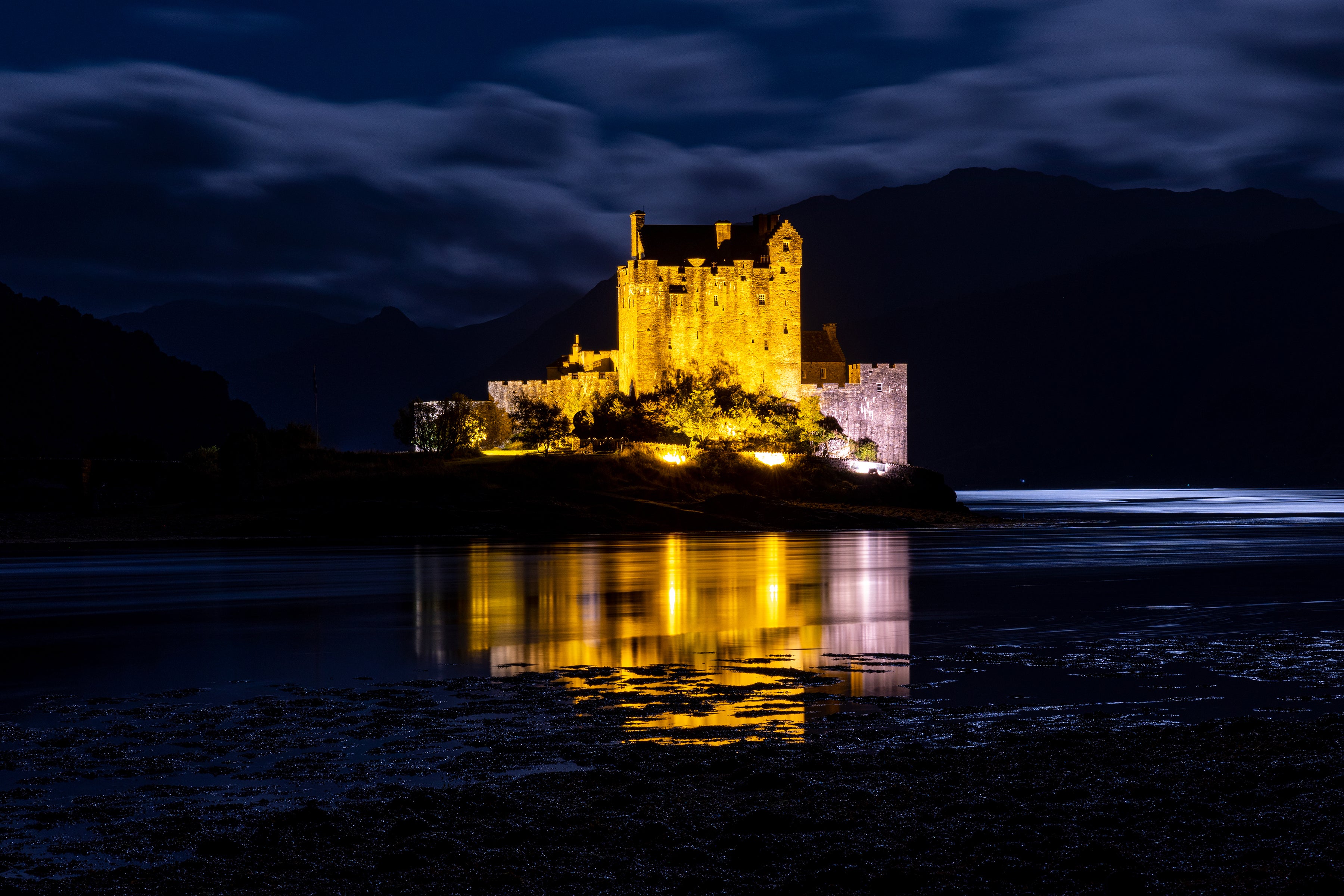

One of Scotland’s most photographed castles also carries one of its most persistent ghost stories. The most reported apparition is believed to be a Spanish soldier, killed during an 18th-century explosion.
Common sightings include:
- Shadows near the upper chambers
- Footsteps where no one is present
- Doors opening and closing on their own
Despite restoration, the atmosphere inside remains heavy and strangely quiet.
3. Glamis Castle – Home of the Grey Lady


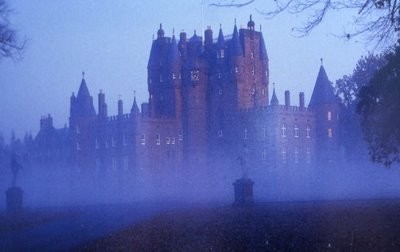
Often cited as the most haunted castle in Scotland, Glamis Castle is associated with the Grey Lady, believed to be Lady Janet Douglas, burned as a witch in 1537.
Why Glamis stands out:
- Multiple documented apparitions
- Restricted rooms never shown to the public
- Staff testimonies spanning generations
The Grey Lady is mainly seen in the chapel, often seated near the altar.
4. Ardvreck Castle – The Weeping Woman
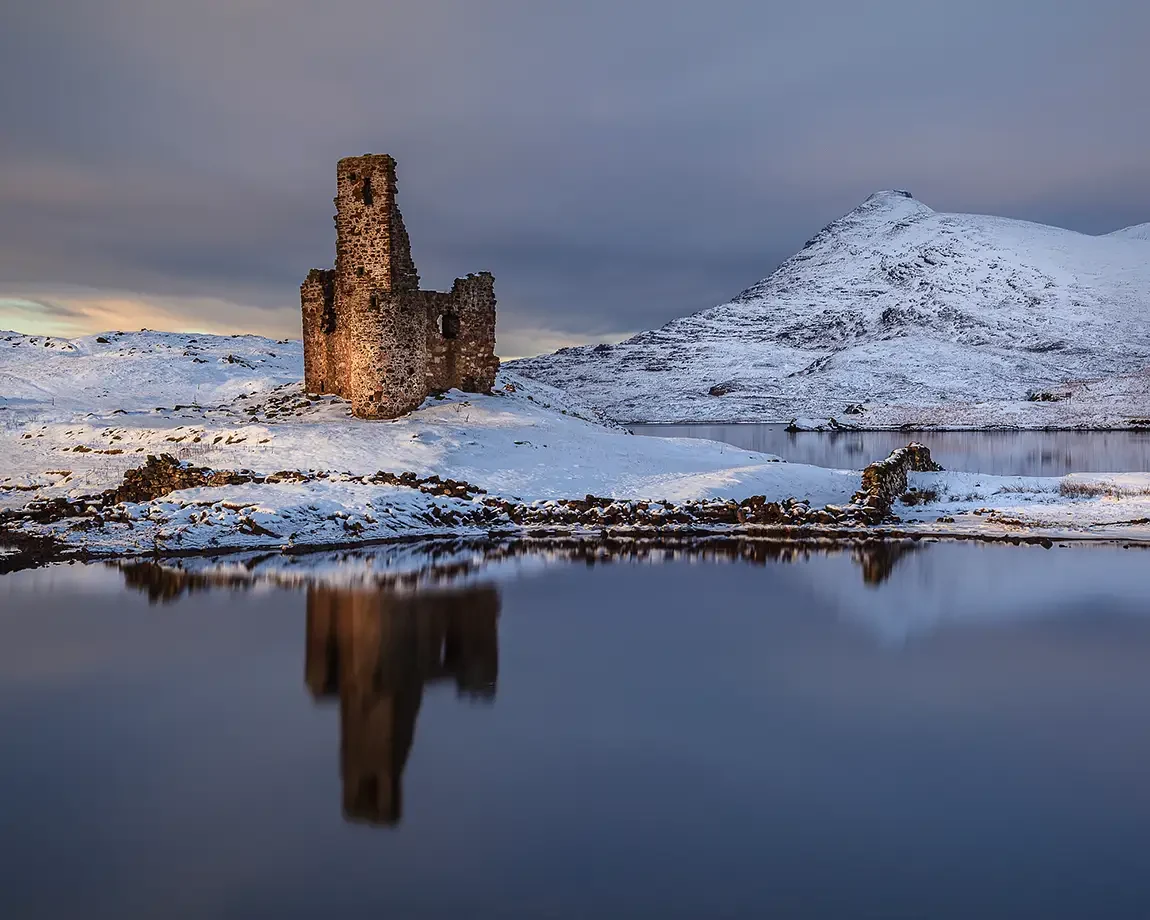

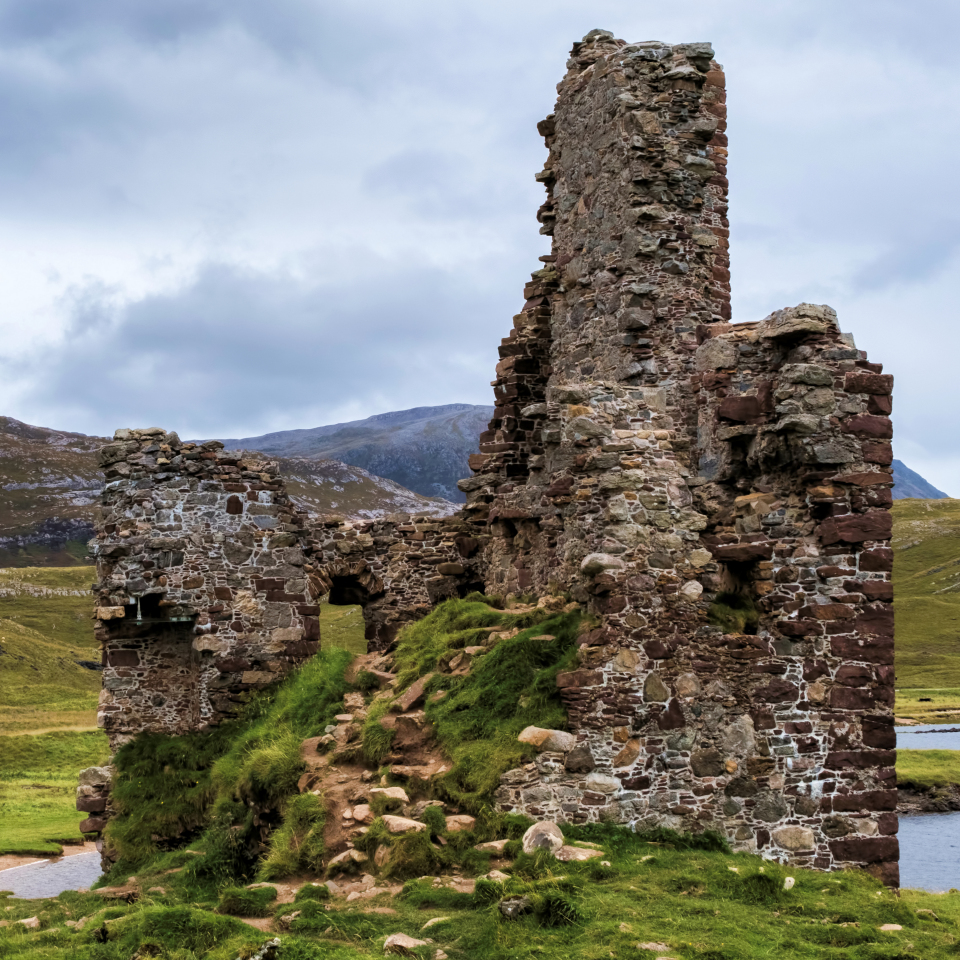
Standing in ruin by Loch Assynt, Ardvreck Castle feels abandoned by time itself. The most common legend is of a woman crying near the water, tied to betrayal and imprisonment of the castle’s last lord.
Visitors mention:
- Disembodied sobbing sounds
- Strong emotional unease
- Strange reflections in the water
5. Clava Cairns -The Cursed Stones
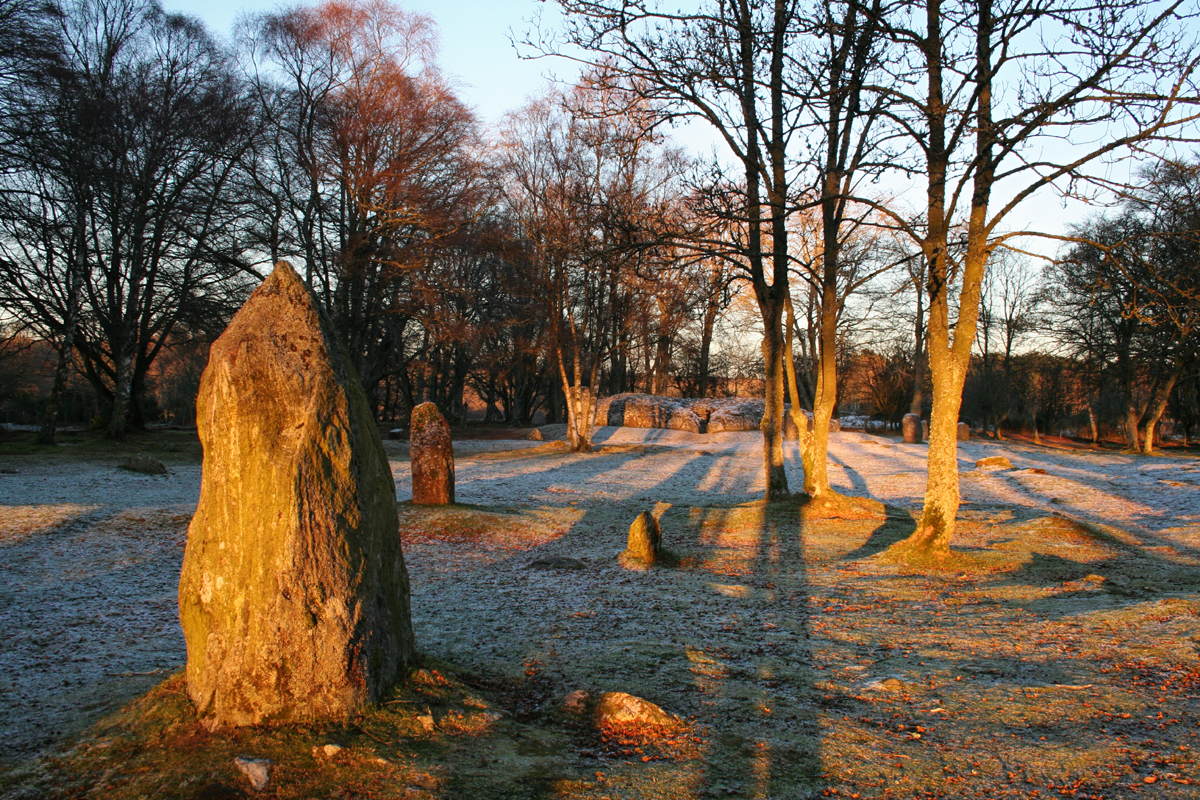

Older than Stonehenge, Clava Cairns is linked to unexplained sensations rather than apparitions. Many report dizziness, emotional surges, or disorientation especially near the central stones.
Local belief suggests:
- The site amplifies energy
- People should not linger too long alone
- Solstices intensify experiences
6. Sligachan Old Bridge & the Ghost Road (Isle of Skye)


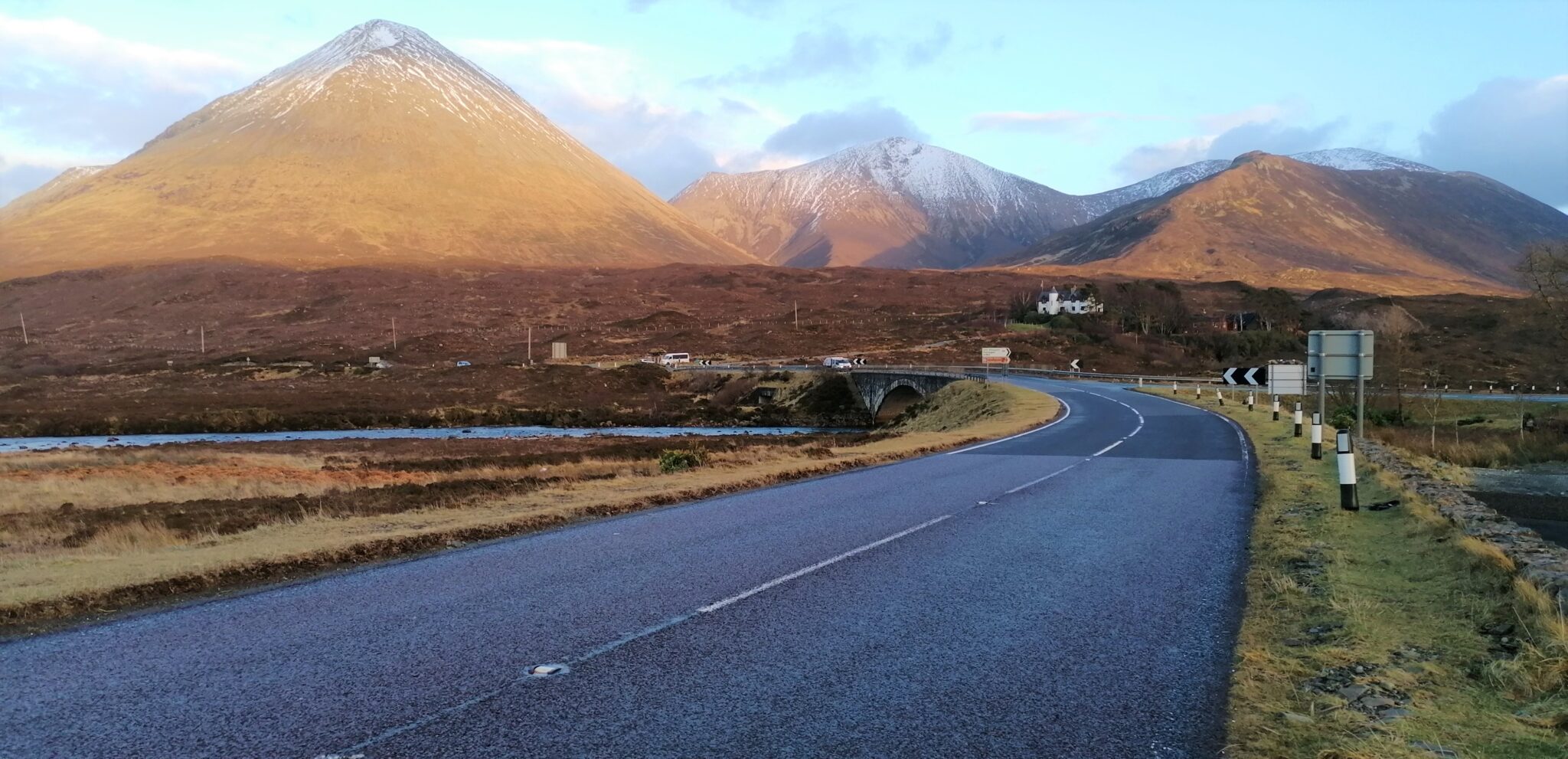
The area around Sligachan Old Bridge and parts of the A87 road on the Isle of Skye are infamous for reports of a phantom vehicle. Drivers have described seeing headlights approaching, only for the vehicle to vanish completely.
Reported experiences include:
- A sudden feeling of dread while driving
- A car appearing in the rear-view mirror, then disappearing
- Engines cutting out briefly for no mechanical reason
Locals often warn against stopping late at night near the old bridge, especially during heavy fog.
7. Duntulm Castle – The Nursemaid’s Ghost

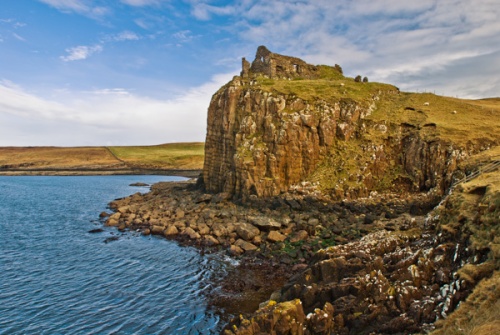
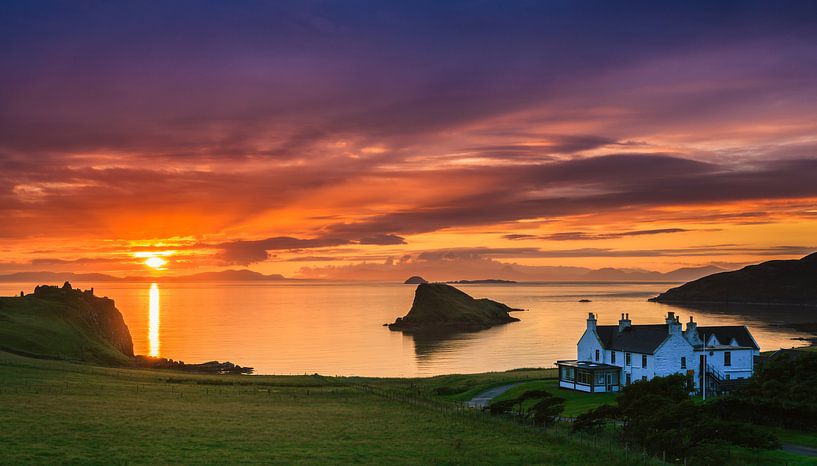
Perched dramatically on a cliff in northern Skye, Duntulm Castle’s most disturbing legend involves a nursemaid and a murdered child, ordered by clan leadership.
People visiting alone report:
- A strong feeling of being watched
- Footsteps behind them on empty paths
- Cold drafts near the cliff edge
The ruins are unstable, but even standing nearby feels unsettling.
Haunted Places in Scotland You Can Stay Overnight
Staying overnight turns folklore into a very different experience.
Dalhousie Castle (Near Edinburgh)
- Known for the Grey Lady haunting
- Guests report doors opening and lights flickering
- Some rooms request reassignment after one night
Tulloch Castle Hotel (Highlands)
- 12th-century origins
- A former lady of the house allegedly appears in mirrors
- Regular unexplained knocks and whispering sounds
Glengorm Castle (Isle of Mull)
- Shadowy figures near staircases
- Heavy atmosphere in unused wings
Pro tip: Always ask for the castle’s oldest rooms, this is where reports are most frequent.
Most Haunted Hotels in Scotland (Quick List)
- Dalhousie Castle
- Tulloch Castle Hotel
- Atholl Palace Hotel
- Glengorm Castle
- The Drovers Inn (often called the most haunted pub and inn)
Most Haunted Pubs in Scotland
The Drovers Inn
- Operates since 1705
- Ghost sightings include a child, a dog, and former drovers
- Objects reportedly move on their own
The Banshee Labyrinth (Edinburgh)
- Built over old vaults
- A banshee scream allegedly predicts death
Deacon Brodie’s Tavern
- Haunted by the criminal it’s named after
If you’re visiting pubs at night, locals advise not antagonising staff or joking loudly about ghosts.
Scottish Highlands Ghost Stories – Why They Persist
Unlike urban legends, Highland ghost stories are:
- Tied to named individuals
- Consistent across generations
- Associated with exact locations
Many locals don’t call them “ghost stories” at all, just things that happen.
Best Time to Visit Haunted Places in the Highlands
- October to November: Peak atmosphere, longer nights
- April to May: Misty mornings, fewer tourists
- Avoid: Midday summer crowds
Sunrise and dusk consistently trigger the strongest emotional responses.
Safety & Etiquette Tips (Important)
- Never trespass locked ruins
- Don’t provoke or mock local legends
- Avoid night visits alone in remote areas
- Respect memorial sites like Culloden
FAQs
What’s the most haunted place in Scotland?
Glamis Castle is widely considered the most haunted, with multiple documented apparitions including the Grey Lady.
Is the Scottish Highlands haunted?
Yes. The Highlands contain some of the highest concentrations of haunted locations in the country due to war history, isolation, and abandoned sites.
Which Scottish castle is haunted by the Grey Lady?
Glamis Castle is famously haunted by the Grey Lady, believed to be Lady Janet Douglas.
Are there haunted castles in Scotland you can stay in?
Yes. Dalhousie Castle, Tulloch Castle Hotel, and Glengorm Castle all offer overnight stays.
What are some famous Scotland ghost stories?
Jacobite soldiers at Culloden, the Grey Lady of Glamis, the Mackenzie Poltergeist, and the Sligachan phantom car are among the most persistent legends.
What castles are haunted in Scotland?
Notable haunted castles include:
1. Glamis Castle
2. Eilean Donan Castle
3. Ardvreck Castle
4. Duntulm Castle
5. Cawdor Castle
Our Final Thoughts
The haunted places in Scotland are not horror attractions, they are history that never fully quieted. The Highlands, in particular, offer an intensity that feels untouched, unresolved, and deeply human. If you plan to explore these places, go with curiosity, respect, and an open mind. Some stories you hear. Others, you feel.
If you want to explore the Scottish Highlands with someone who understands both history and its darker side, consider planning your journey thoughtfully. A well-timed route, the right season, and local insight can transform a visit from sightseeing into something unforgettable.

Emma is a solo traveler and freelance travel writer from New Zealand who spent three weeks exploring the Scottish Highlands. With a deep appreciation for history and landscapes, she booked a series of day tours and a private chauffeur journey with Scotland Highland Trip. From Loch Ness to the Cairngorms, she documented her experience through vivid blog posts and drone footage.