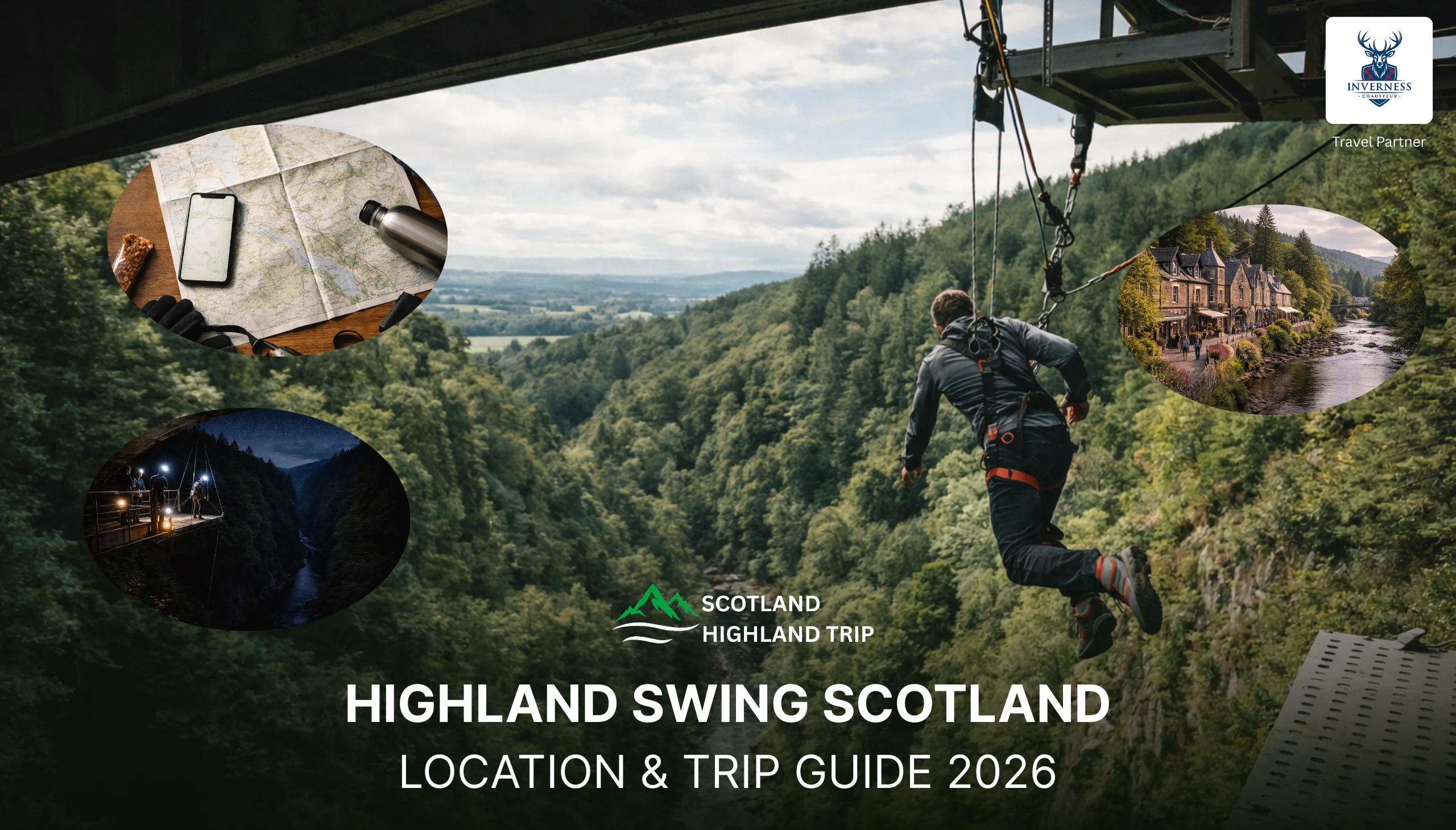
If you’re seeking a heart‑pounding adventure in the Scottish Highlands, few experiences match the thrill of the Highland Swing in Scotland. Suspended below a historic bridge in a spectacular gorge, the swing lets you step into nothingness, free‑fall for a few seconds and then arc into an exhilarating pendulum over a river far below. Yet the Highland Swing is more than just an adrenaline fix, it’s a gateway to exploring one of Scotland’s most scenic regions. This in‑depth guide will not only reveal where the Highland Swing is but also provide travel tips, nearby attractions, seasonal advice, and cultural context to help you create an unforgettable Highland trip.
Why listen to us?
While many blogs simply mention the swing, our guide digs deeper. This guide is richer, more informative and more geographically detailed. You’ll learn how to get there from Edinburgh, Glasgow or Inverness, what else to do nearby, when to visit, and even how the Highland Swing fits into Scotland’s wider tradition of Highland games and agricultural shows.
Jump to Section
Highland Swing Location: Garry Bridge at Killiecrankie
The Highland Swing is located underneath the Garry Bridge at Killiecrankie, a small village in Highland Perthshire. Killiecrankie sits on the A9 between Pitlochry and Blair Atholl, about 26 miles (42 km) north of Perth and roughly 1½ hours’ drive from Edinburgh. The bridge spans the River Garry at the entrance to the Pass of Killiecrankie, a steep wooded gorge famous for its natural beauty and for being the site of a Jacobite battle in 1689.
How the swing works
Unlike a traditional bungee jump, where you plummet straight down, the Highland Swing is a giant pendulum: you step off a purpose‑built platform suspended below the bridge and free‑fall for several metres before the rope takes your weight and you swing out over the river. The drop is roughly 40 metres (around 131 ft).
Because the swing doesn’t stretch and rebound like a bungee cord, you experience a different sensation, more like flying through the gorge than bouncing on a rubber band. Operators typically offer both daytime and night swing experiences. The night swing adds an extra dose of adrenaline as you plunge into darkness with only the stars above.
Why Killiecrankie?
Killiecrankie’s dramatic scenery makes it the perfect place for a bridge swing. The River Garry snakes through a narrow valley framed by oak, birch and Scots pine; wildflowers bloom in spring and early summer; autumn brings golden foliage. Nearby stands the Killiecrankie Visitor Centre, which explains the history of the battle and details wildlife in the area.
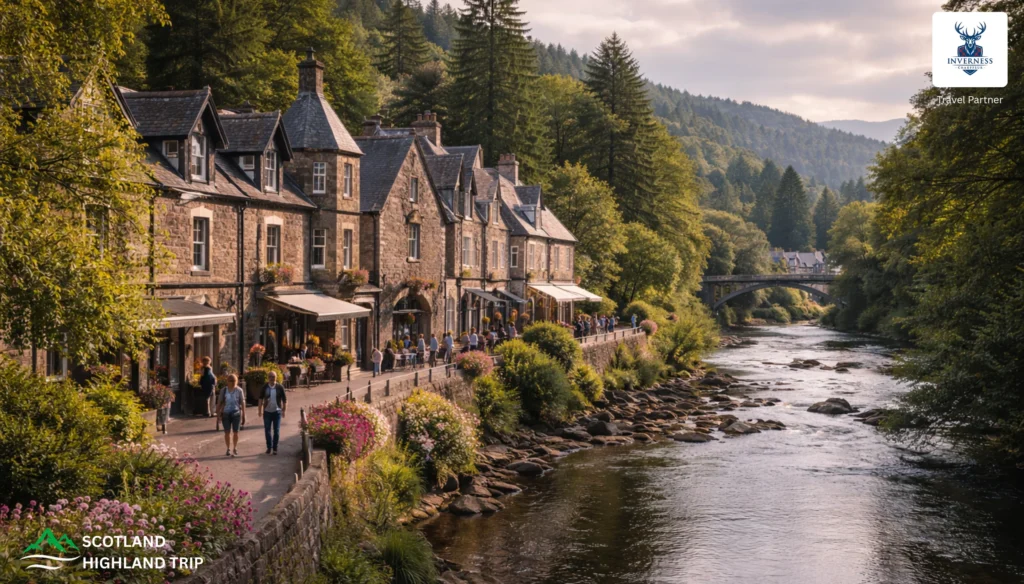
The location is also convenient for travellers, Pitlochry, a bustling Victorian spa town with hotels, restaurants and a railway station, is just 5 miles (8 km) south. Blair Atholl and Blair Castle lie a few minutes north. The A9 dual carriageway provides direct road access, and there are regular rail services to Pitlochry from Edinburgh, Glasgow and Inverness.
Getting to the Highland Swing
From Edinburgh
- By car: The quickest and most flexible way to reach Killiecrankie from Edinburgh is by car. Take the M90 north from Edinburgh towards Perth, then join the A9 towards Inverness. Stay on the A9 for about 40 miles until you see signs for Killiecrankie. The drive takes around 1 hour 30 minutes depending on traffic. Along the way you’ll cross the Forth Bridge, pass the Ochil Hills and enjoy glimpses of Perthshire farmland.
- By train: Regular trains run from Edinburgh Waverley to Pitlochry on the Highland Main Line. The journey lasts about 1 hour 50 minutes. From Pitlochry you can take a local bus or taxi the remaining 5 miles to Killiecrankie. Keep in mind that buses may be infrequent; pre‑booking a taxi ensures a smooth connection.
- By tour or chauffeur: If you’d prefer not to drive, consider booking a luxury tour from Edinburgh to the Highlands. Several companies offer private chauffeur services or small‑group tours that include stops at Killiecrankie, Pitlochry and other attractions like Blair Castle, Queen’s View and Dunkeld Cathedral. A chauffeur allows you to relax while enjoying the scenery and can tailor the journey to include whisky tastings, photography stops or even corporate or wedding transport.
From Inverness or Glasgow
- From Inverness: Drive south on the A9 for about 80 miles (130 km) through the Cairngorms National Park. The route passes Aviemore, Kingussie and Newtonmore before reaching Killiecrankie in approximately 1 hour 45 minutes. Trains also connect Inverness to Pitlochry in around 1 hour 30 minutes.
- From Glasgow: Follow the M80 towards Stirling, then continue on the A9 through Perth to Killiecrankie. Total driving time is around 1 hour 50 minutes. Alternatively, direct trains from Glasgow Queen Street to Pitlochry take about 2 hours; from there you can taxi or bus to Killiecrankie.
Parking and access
There is parking at the Killiecrankie Visitor Centre and near the Garry Bridge. The swing operators typically provide clear directions and meeting points when you book. Because sessions start at scheduled times, aim to arrive 30 minutes early to complete your safety briefing and harness fitting.
What to Expect: Experience, Safety and Requirements
The Experience
After signing in and weighing in, you’ll walk across the Garry Bridge to the swing platform suspended below. Staff secure you in a full‑body harness and attach you to the swing ropes. When you’re ready, you step off the platform into thin air. The initial free‑fall is short but intense. Then the ropes take up the slack and you swing out over the river in a huge arc, eventually slowing to a gentle sway. Operators winch you back up to the bridge. The entire swing lasts only a few seconds, but the memory will stay with you for life.
Safety and Equipment
The swing is run by experienced guides with a strong safety record. The platform is engineered to withstand dynamic loads, and you are connected to multiple ropes and carabiners. Before every jump the team performs checks and instructs you on how to stand, hold the harness and step off. Helmets are typically provided. Weather conditions such as high winds or lightning may cause delays or cancellations for safety reasons.
Age and weight limits
Minimum age is usually 10 years old, and anyone under 16 must be accompanied by a parent or guardian. Most operators set a minimum weight around 35 kg and a maximum weight around 120 kg. If you have medical conditions (back or heart problems, pregnancy, high blood pressure), you should consult your doctor and inform staff before booking. Participants must be sober and not under the influence of drugs or alcohol.
Pricing and booking
As of 2026, the Highland Swing experience costs around £90 to £100 per person, with discounts for repeat jumps on the same day. Packages sometimes include photographs or videos of your swing. Advance booking is strongly recommended, especially during summer weekends and bank holidays. Gift vouchers are popular for birthdays, graduations and corporate rewards.
Nearby Attractions: Building a Highland Itinerary
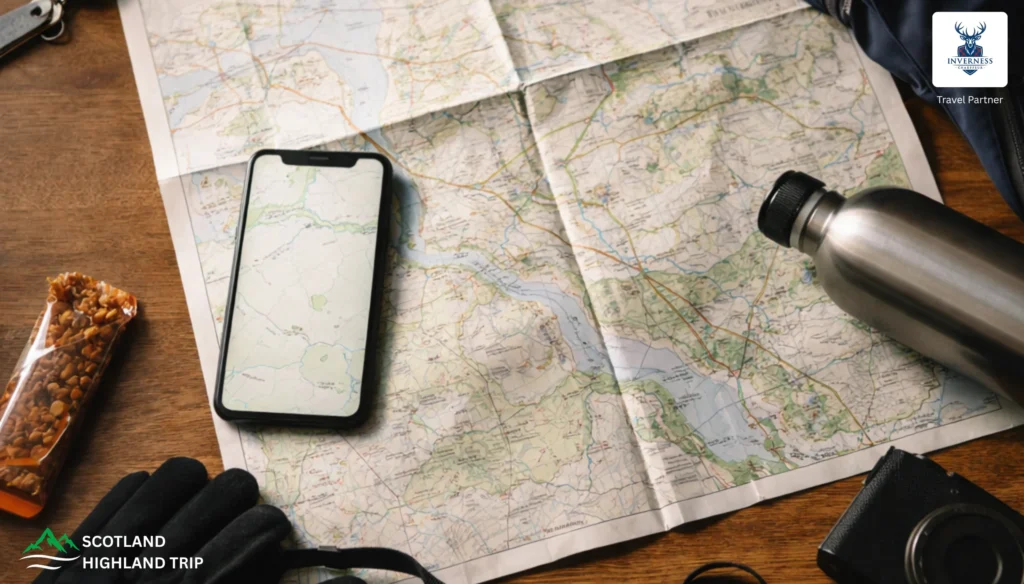
Killiecrankie is just one highlight on a Highland trip. Use your visit to the swing as an anchor point for a longer itinerary exploring the central and north Highlands.
Pitlochry and the Tummel Valley
The Victorian resort town of Pitlochry is a lovely base for exploring Highland Perthshire. Attractions include:
- Pitlochry Dam & Visitor Centre: Learn how hydroelectric power harnesses the River Tummel and watch salmon climb the fish ladder.
- Edradour Distillery: Scotland’s smallest traditional distillery offers tours and tastings of handcrafted single malt whisky.
- Fonab Castle Hotel: A luxurious hotel and spa overlooking Loch Faskally, ideal for a romantic weekend.
- Pitlochry Festival Theatre: An acclaimed venue known as the “Theatre in the Hills,” offering plays, concerts and festivals year‑round.
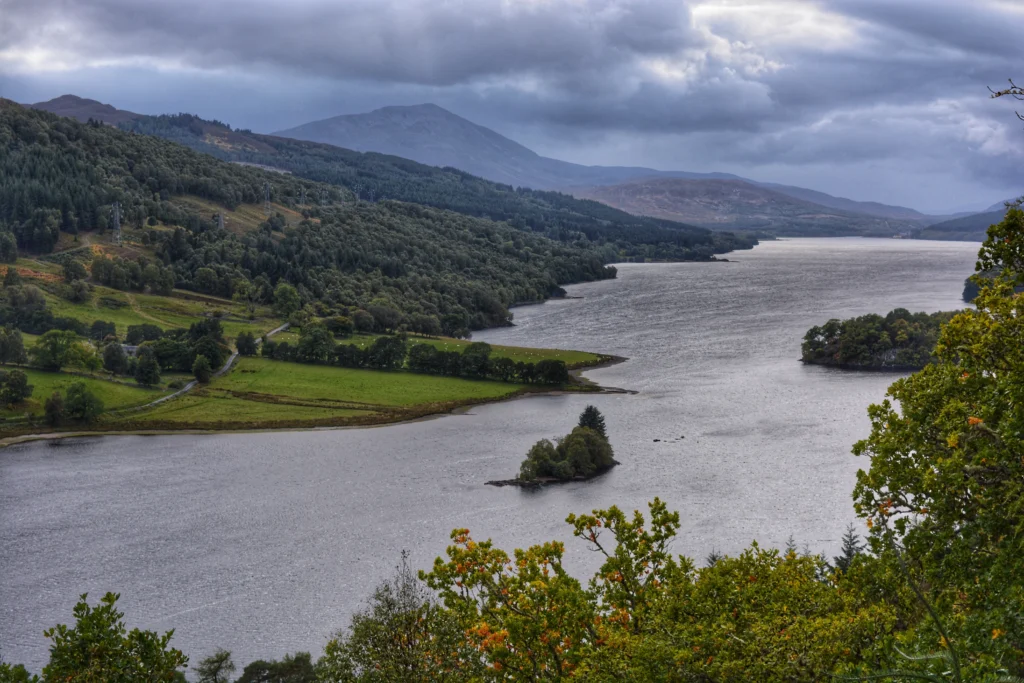
The surrounding Tummel Valley rewards walkers with spectacular viewpoints such as Queen’s View, a vista of Loch Tummel and distant mountains named after Queen Victoria. Many travellers include a detour to Schiehallion, a conical Munro (a Scottish mountain over 3,000 ft) that offers a relatively straightforward climb with panoramic views.
Blair Atholl and Blair Castle
Just north of Killiecrankie, Blair Castle is the ancestral home of the Dukes of Atholl. The castle’s white façade, battlements and stately rooms draw thousands of visitors each year. The estate hosts the Atholl Gathering & Highland Games every May, where traditional events like the caber toss and tug o’ war take centre stage. The games form part of a wider network of Highland games held across Scotland; these one‑day events feature heavy athletics, Highland dancing, pipe bands, local food and family entertainment. Many games include livestock competitions, parades and evening ceilidhs, giving visitors a rich taste of Highland culture.
Cairngorms National Park
Continuing north, the Cairngorms National Park offers rugged mountains, ancient forests and wildlife. Visit Aviemore for outdoor sports, ride the Cairngorm Mountain Railway, or enjoy reindeer safaris in the Cairngorm Reindeer Centre. In winter the region becomes a magnet for skiers and snowboarders, the ski centres at Cairngorm and Glenshee can receive snow depths around 19 cm. Daylight hours are short in December (~7 hours) but increase to nearly 10 hours by February. Pack layers, waterproof jackets, warm hats and gloves when visiting in winter.
Queen’s View & Loch Tay Circuit
If you have more time, loop west towards Loch Tay. On the way, stop at Queen’s View for one of Scotland’s most iconic panoramas. In summer the view stretches across Loch Tummel to the mountain Schiehallion; in autumn, the surrounding woods glow gold and crimson. Further west, the village of Kenmore sits at the head of Loch Tay. Here you can explore the reconstructed Iron Age Crannog Centre, kayak on the loch, or visit Keltneyburn Highland Safaris for off‑road adventures.
Extend Your Journey: North Coast 500 & the Western Isles
For those who love road trips, the North Coast 500, Scotland’s answer to Route 66, beckons. Starting from Inverness, the loop covers 500 miles of coastline with castles, beaches, mountains and small villages. In winter, walking along an icy beach followed by a dram of whisky is an invigorating experience. If you prefer islands, drive or ferry to the Isle of Skye via the Skye Bridge, exploring the Old Man of Storr, Fairy Glen and Dunvegan Castle. Many travellers combine a trip to the Highland Swing with a multi‑day tour of Skye or the Outer Hebrides.
Highland Culture: Games, Shows and Traditions

Your visit to the Highland Swing will expose you to Scotland’s rich culture of strength, music and community. Here’s how the swing fits into the broader Highland tradition:
Highland games
Highland games are one‑day events that showcase traditional Scottish sports and performing arts. Typical competitions include the caber toss, hammer throw, weight for height, tug of war and hill races. Dancing competitions feature the Highland Fling and Sword Dance. The games usually take place on weekends from May to September; July and August are peak months with 30+ games each month. Games occur all over Scotland, not just in the Highlands, from the north coast to the Borders.
Royal Highland Show
The Royal Highland Show is Scotland’s premier agricultural exhibition. Held annually at the Royal Highland Centre near Edinburgh, it draws over 212,000 visitors across four days and features more than 6,000 animals. Visitors can watch livestock competitions, show jumping, wood‑carving contests and even haggis hurling. Scotland’s Larder, a dedicated food hall, showcases artisanal cheeses, smoked salmon, craft gin and other local produce. The event also offers educational workshops for children and live music; children 15 and under enter free with a paying adult. Attending the show is a wonderful way to immerse yourself in rural Scottish culture before or after your trip to the Highlands.
Seasonal Advice: When to Visit & What to Pack
Best months
The Highland Swing operates year‑round, but spring (April–June) and autumn (September–October) offer the most comfortable conditions. During these months the weather is generally mild, midges (tiny biting insects) are fewer, and the hills blaze with colour, yellow gorse in spring and russet bracken in autumn. Summer (July–August) provides long days and warmer temperatures, but it’s also the busiest time for tourism and midges can be bothersome, especially near water. Winter (November–March) brings frost and occasionally snow. Although the swing may still run, cancellations due to wind or ice are more likely and daylight hours can drop to just over 7 hours in December.
Weather and daylight
Scotland’s weather is famously changeable. Average winter temperatures hover around 4 to 5 °C (39 to 41 °F), but the Highlands can feel colder due to wind chill. Snow can accumulate on higher ground (e.g., 19 cm at Glenshee ski area). In summer, average temperatures reach 16 to 20 °C (61 to 68 °F). Even in July you should bring a waterproof jacket and warm layers. The sun hardly sets in midsummer; daylight can exceed 17 hours at the June solstice, ideal for long hikes and sightseeing. Conversely, in mid‑December the sun rises after 9 am and sets around 3 pm, giving about 7 hours of daylight.
Packing list
The key to enjoying the Highlands is layered clothing. In addition to standard travel gear, pack:
- Waterproof jacket and trousers – sudden showers are common.
- Thermal base layers – even summer evenings can be chilly.
- Insulating mid‑layer – a fleece or lightweight down jacket.
- Hat, gloves and scarf – essential from autumn to spring.
- Sturdy shoes or boots – for walking to the swing platform and exploring local trails.
- Insect repellent – particularly in summer.
- Headtorch or torch – handy for night swings or dark evenings.
- Sun protection – sunscreen and sunglasses, especially if you plan to ski or climb; snow glare can burn your skin.
Accommodation & Dining: Where to Stay Near Killiecrankie
Pitlochry
With its central location and wide range of lodging, Pitlochry is the most popular base. Options include:
- Atholl Palace Hotel: A grand Victorian mansion with turrets, gardens, spa and panoramic views; ideal for weddings and corporate retreats.
- Fonab Castle Hotel & Spa: A five‑star property overlooking Loch Faskally. The modern rooms, fine dining restaurant and tranquil spa appeal to luxury travellers.
- The Old Mill Inn: A family‑run guesthouse with cosy rooms and hearty meals, perfect for those seeking mid‑range comfort.
- Pitlochry Youth Hostel: Budget travellers can opt for dorms or private rooms; there’s a communal kitchen and local advice from friendly staff.
Blair Atholl & surrounding villages
If you prefer a more rural vibe, Blair Atholl and nearby villages like Logierait and Killiecrankie itself offer B&Bs and self‑catering cottages. Many are housed in traditional stone cottages with roaring fireplaces and views of the River Garry or surrounding hills. Booking well in advance is advisable during summer and festival weekends.
Dining
After your swing, refuel at:
- The Killiecrankie Hotel: A charming country house serving local produce; try the venison or salmon.
- The Old Mill Inn (Pitlochry): Live music and hearty pub classics; open late on weekends.
- Hettie’s Tearoom (Pitlochry): Famous for its towering cakes and scones; ideal for afternoon tea.
- House of Bruar: A few miles north at Bruar, this shopping and dining complex offers high‑quality Scottish produce, from smoked salmon to artisan cheeses.
Other Adventure Activities Around the Garry Bridge
The Highland Swing is part of a broader suite of adrenaline activities in the area:
- Bungee jump: The Highland Fling Bungee Jump uses the same platform under Garry Bridge but offers a straight 40‑m drop rather than a swing. This was the UK’s first permanent bungee jump.
- Zip park: Nearby zip lines allow you to glide across the gorge, offering beautiful views of the River Garry while clipped into a safety harness.
- River rafting: The River Tummel and River Tay host white‑water rafting trips from spring to autumn. The Tay Fun Section is suitable for families, while the Tummel features exhilarating Grade III rapids.
- Canyon and gorge walking: Several providers run guided canyoning experiences, where you abseil down waterfalls and jump into deep pools. This is a great complement to the swing.
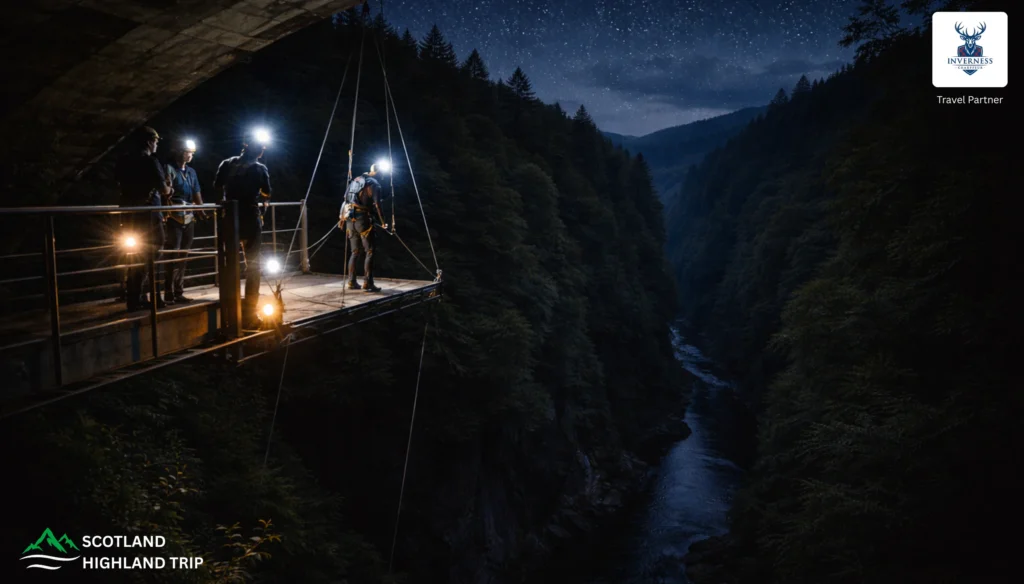
- Night swing: Some operators run a night‑time version of the Highland Swing. Guided by head torches, you’ll step into darkness and swing under a starry sky – not for the faint of heart.
Putting It All Together: Suggested 3‑Day Highland Swing Trip
Day 1: Travel to Pitlochry & Local Exploration
Morning: Depart Edinburgh by car or train. If driving, stop at Dunkeld to visit its medieval cathedral and stroll along the River Tay. Arrive in Pitlochry around midday and check into your accommodation.
Afternoon: Explore Pitlochry. Tour Edradour Distillery, visit Pitlochry Dam & Fish Ladder, and enjoy lunch at a café on Atholl Road.
Evening: Dine at the Old Mill Inn. If visiting on a summer weekend, take in a performance at Pitlochry Festival Theatre.
Day 2: Highland Swing & Nearby Sights
Morning: After breakfast, drive to Killiecrankie Visitor Centre. Walk to the swing platform for your appointment. Listen to the safety briefing, harness up and take the leap!
Afternoon: Reward yourself with lunch at Killiecrankie Hotel. Then walk the Pass of Killiecrankie trail, which passes Soldier’s Leap, a rock where an escaping soldier supposedly jumped 18 ft across the river during the 1689 battle. If you’re still craving adrenaline, return for a zip‑line or bungee jump.
Evening: Drive north to Blair Castle. Explore the gardens and historic rooms; if your visit coincides with the Atholl Gathering, stay for Highland games events. Overnight in Blair Atholl or return to Pitlochry.
Day 3: Explore Further into the Highlands
Option 1 – Cairngorms: Head north to Aviemore and ride the mountain railway. Hike in Rothiemurchus Forest or visit the Cairngorm Reindeer Centre. In winter, enjoy snow sports; the Cairngorm ski centre often sees snow depths of around 19 cm.
Option 2 – Loch Tay & Glen Lyon: Drive west along Loch Tay. Visit Kenmore, the Scottish Crannog Centre, or hike the gentle Ben Lawers. Glen Lyon is one of Scotland’s most beautiful glens, with waterfalls and remote crofts.
Option 3 – Return south via Fife*: If you’re returning to Edinburgh, detour through Fife. Explore the East Neuk fishing villages and historic St Andrews. The Fife coastline features in some Royal Scotsman rail tours as part of a grand tour of Scotland.
FAQs
Where is the Highland Swing in Scotland?
The Highland Swing is underneath the Garry Bridge at Killiecrankie in Highland Perthshire. The bridge spans the River Garry just off the A9 between Pitlochry and Blair Atholl. The swing platform is suspended below the bridge so jumpers can leap into the gorge and swing over the river.
What is the weight limit for the Highland Swng?
Most operators set a minimum weight of around 35 kg and a maximum weight of about 120 kg. Check with the provider when booking, as requirements may vary.
Where is the 007 bungee jump site?
The bungee jump scene in the 1995 James Bond film GoldenEye was filmed at the Contra Dam (Verzasca Dam) in Ticino, Switzerland, not in Scotland. However, Scotland’s Highland Swing offers a similarly thrilling drop in a Highland setting.
How high is the Killiecrankie bungee or swing?
The drop is about 40 metres (131 ft) from the platform under the Garry Bridge to the lowest point of the swing or bungee jump. After the free‑fall, you swing in a big arc over the River Garry.
Can I combine the swing with other Highland activities?
Absolutely! The area around Killiecrankie offers bungee jumps, zip lining, white‑water rafting, canyoning, hill walking and historical sightseeing. You can also attend Highland games or visit the Royal Highland Show for a cultural experience.
When is the best time to visit the Highland Swing?
Spring and autumn are ideal for comfortable temperatures and colourful landscapes. Summer offers long daylight hours but is busier and midges can be annoying. Winter provides a dramatic backdrop of snow and frost, but sessions may be cancelled due to high winds or ice and daylight hours are short.
How much does it cost to do the Highland Swing?
Expect to pay around £90 to £100 per person. Packages may include photographs or videos; some operators offer discounts for multiple jumps on the same day. Booking in advance is recommended, especially for weekend or night swings.
Is the Highland Swing suitable for beginners?
Yes. You don’t need previous experience. The operators provide detailed briefings, professional supervision and all necessary safety equipment. As long as you meet the age and weight requirements and have no medical issues, you can enjoy the swing.
Where can I stay near the Highland Swing?
Pitlochry offers the widest range of accommodations, from luxury hotels like Fonab Castle to budget hostels. Blair Atholl and the surrounding countryside also have charming B&Bs and self‑catering cottages. Book early during peak season or when events like the Atholl Gathering or Royal Highland Show are taking place.
Can I take public transport to Killiecrankie?
Yes, but it requires a combination of train and bus or taxi. Take a train to Pitlochry from Edinburgh, Glasgow or Inverness, then arrange a taxi for the 10‑minute drive to Killiecrankie. Buses are less frequent but do connect Pitlochry with nearby villages.
Are there photos or videos of the Highland Swing?
Most operators offer professional photographs and videos for an extra fee. Spectators can watch from viewing areas near the bridge, and friends or family can take their own photos of your leap. If you share your images on social media, use hashtags like #HighlandSwing or #HighlandFling.
How does the Highland Swing relate to Highland games and shows?
The swing is part of the modern adventure tourism scene but sits within a region rich in tradition. Highland games, with their caber tosses, pipe bands and dancing, celebrate strength and community. The Royal Highland Show showcases agriculture, animals and crafts. Combining an adrenaline activity like the swing with cultural experiences gives a rounded view of the Highlands.
Plan Your Highland Swing Adventure Today
Ready to feel the rush of the Highland Swing and explore the beauty of Highland Perthshire? Whether you’re a thrill‑seeker, a family looking for something different, or a group planning a corporate away‑day, this guide has everything you need to plan your trip. Book your swing session, secure your accommodation in Pitlochry or Blair Atholl, and prepare for an adventure that blends adrenaline, history and natural beauty.
For an even richer experience, time your visit with a Highland games or the Royal Highland Show, or extend your journey to the Cairngorms or Isle of Skye. And if you’re travelling from Inverness to attend the Highland Games, remember that chauffeur services are available; they can whisk you from the city to games grounds or the Royal Highland Show and back, allowing you to relax and enjoy the scenery.
Don’t just imagine swinging through a Highland gorge, plan your Highland Swing adventure now and make it a highlight of your Scottish travels.

Emma is a solo traveler and freelance travel writer from New Zealand who spent three weeks exploring the Scottish Highlands. With a deep appreciation for history and landscapes, she booked a series of day tours and a private chauffeur journey with Scotland Highland Trip. From Loch Ness to the Cairngorms, she documented her experience through vivid blog posts and drone footage.