
The Scotland Highlands are a vast canvas of glens, lochs, mountains and coastlines. In 2027 there is no single “best” month that suits every traveller. Spring brings lambs and wildflowers, summer offers long days and festivals, autumn dazzles with gold and russet foliage, and winter cloaks the mountains in snow. Add in unpredictable weather, notorious Highland midges and major daylight swings and the answer becomes personal. This guide helps you decide when to visit based on what you want to see and do.
Quick Answers: Seasons and Traveller Goals
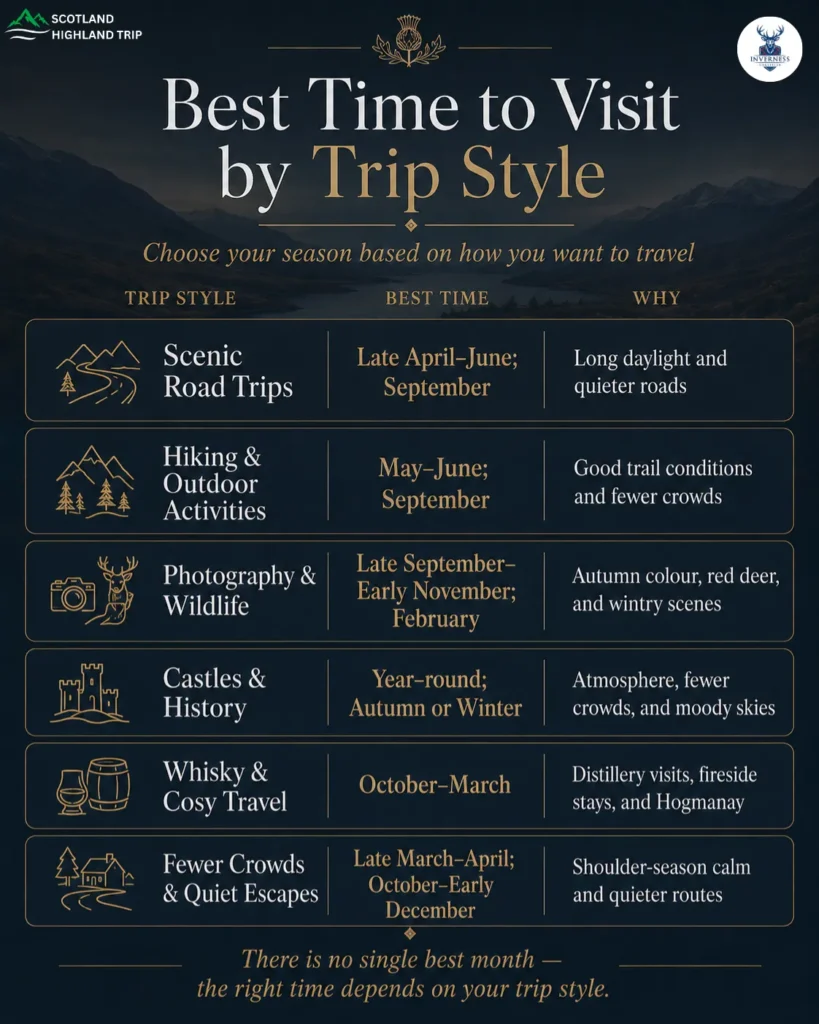
| Travel goal | Best time in 2027 | Why | Sample places |
|---|---|---|---|
| Scenic road trip & driving | Late April – June; September | Long daylight hours (up to 17 hours in June) make driving easier; roads are quieter in spring and early autumn when coach tours are fewer and midges less prolific | NC500 coastal route; Applecross Pass; Glen Torridon |
| Hiking & outdoor activities | May–June; September | Spring offers warming weather and blooming landscapes, before the peak crowds and midges. September has stable weather and fewer visitors | Cairngorms National Park for early‑season hikes; Glencoe’s trails in early summer; Ben Nevis in September |
| Photography & wildlife | Late September – early November; February | Autumn brings rich colours and soft light, plus the red deer rut and mushroom season. Winter offers snow‑capped peaks and clear light; February offers longer days than mid‑winter but still wintry scenes | Glen Affric for autumn foliage; Torridon for red deer; Cairngorms for winter wildlife; Rannoch Moor for snowy landscapes |
| Castles & history | Year‑round; consider autumn or winter for atmosphere | Castles and museums operate year‑round but may have shorter hours in winter; autumn/winter provide moody skies and fewer crowds | Eilean Donan, Urquhart, Cawdor and Kilchurn castles; Fort George; Culloden |
| Whisky & cosy travel | October – March | Shorter days encourage cosy fireside drams; distilleries are open year‑round; autumn is harvest and whisky tasting season; winter offers Hogmanay celebrations | Speyside & the Malt Whisky Trail; Dalwhinnie distillery in the Cairngorms |
| Fewer crowds & quiet escapes | Late March–April; October–early December | Shoulder seasons offer quieter roads and trails; spring has new life and flowers; late autumn has dramatic light and minimal tourism | Outer Hebrides beaches (April); Glen Coe & Glen Etive in October; Assynt’s empty trails |
Jump to Section
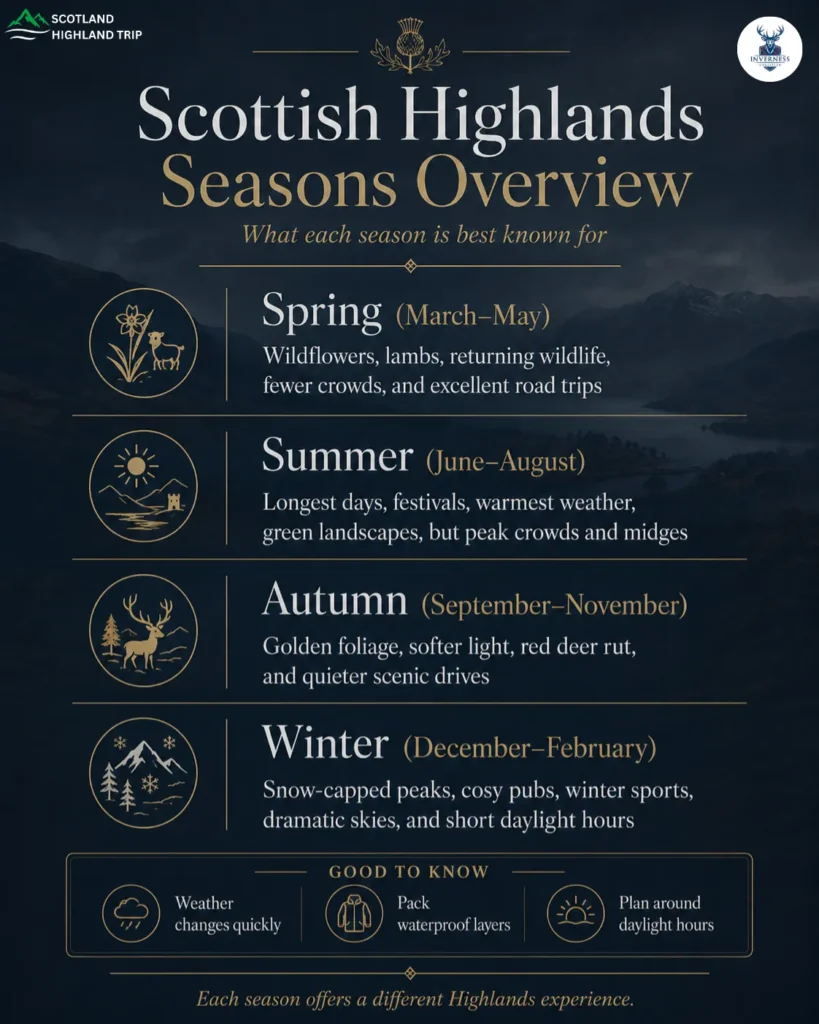
Best Scotland Highlands Seasons Overview for Trips in 2027
Spring (March to May)
Spring brings renewal to the Highlands. Temperatures gradually rise from highs around 12 °C in March to May, while daylight increases to about 15 to 16 hours by May. Wildflowers bloom on Skye and in Glen Coe, lambs frolic in fields, and ospreys return. Crowds are modest, and midges are not yet an issue. April and May are popular for hiking and photography; you might need to pack layers for unpredictable weather. The Cairngorms transition from ski season to walking season, with average temperatures rising to 6 to 13 °C in May. Early spring may still see snow at higher elevations; check mountain safety services before hiking.
Highlights in spring:
- Isle of Skye: Waterfalls are full and the Quiraing is carpeted with wildflowers. Lambing season adds charm, and midges haven’t arrived yet.
- Glencoe: Bluebells and rhododendrons bloom in May. Warmer days allow kayaking and via ferrata activities.
- Cairngorms National Park: Wildlife awakening; April offers blooming heather moorlands and returning reindeer and ospreys. May brings ideal conditions for cycling and early camping.
- Whisky lovers: May is World Whisky Month, and distilleries like Dalwhinnie in the Cairngorms are at their most welcoming.
Summer (June to August)
Summer offers the longest days of the year (17–18 hours of daylight in June) and generally warmer temperatures, with average highs of about 18 °C. It is the peak tourist season: school holidays fill car parks, midges appear in force, and accommodation prices rise. Still, the pay‑offs include the Highlands’ greenest landscapes, vibrant festivals, and the ability to explore late into the evening.
Summer upsides:
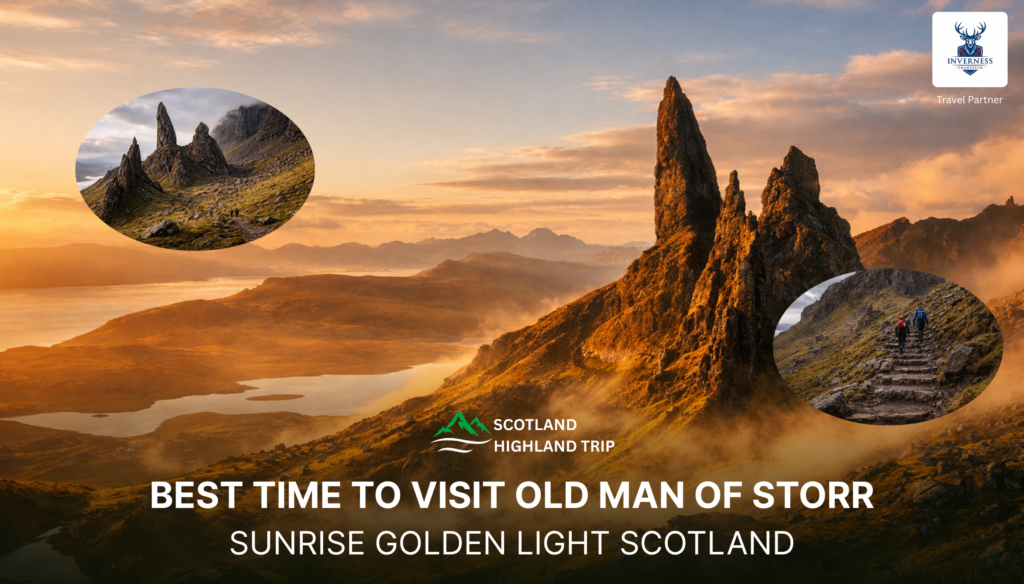
- Long daylight for exploration: On Skye the light lasts until nearly 11 pm in June, allowing early or late visits to popular spots like the Old Man of Storr when others have left.
- Full access to activities and festivals: All attractions operate at full capacity. The Belladrum Tartan Heart Festival near Inverness provides music and family fun. Highland Games and local fetes take place across the region.
- Warmest temperatures: Average summer highs (especially July) in the Cairngorms reach 19 °C. Watersports thrive on Loch Morlich and Loch Insh, and heather blooms in August.
Summer challenges:
- Crowds and bookings: July and August are peak months; accommodation and tours on Skye and the NC500 should be booked six months in advance.
- Midges: Midges are most active from mid‑May to September and particularly irritating on still, humid days. Bring repellent or a midge net and avoid lingering at dawn or dusk.
- Changeable weather: Even in summer you need a waterproof jacket; showers are common.
Summer destinations:
- North Coast 500 & Applecross Pass: Enjoy long days for scenic drives; remote beaches like Sandwood Bay and Sanna Bay shimmer in the sun.
- Cairngorms National Park: Perfect for watersports and hiking. July is prime for kayaking and paddle boarding. Expect midges at lower elevations, choose windy lochs and higher hikes to avoid them.
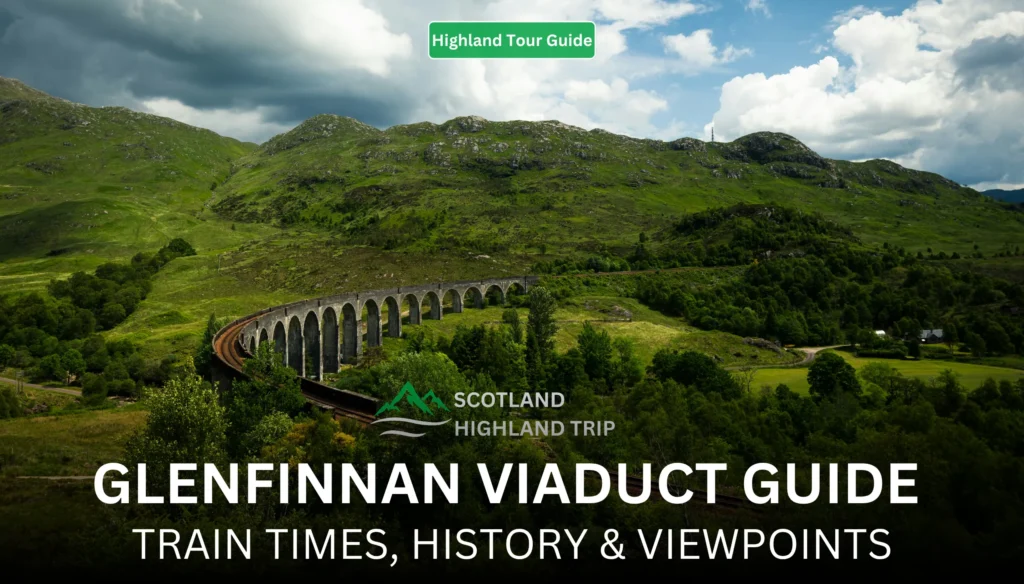
- Glenfinnan & Glen Coe: Summer is ideal for families and those seeking lush landscapes. Start early to avoid crowds.
Autumn (September to November)
Autumn paints the Highlands in vibrant hues. Temperatures fall to highs around 13 °C and daylight shrinks to 11–12 hours. September often has stable, warm weather, making it excellent for hiking. October is cooler but offers colourful foliage, and early November still holds clear days for crisp walks. Accommodation prices drop, crowds thin, and midges disappear after the first frost.
Autumn highlights:
- Glen Affric & Torridon: Flame‑coloured leaves and heather create a photographer’s dream. The red deer rut provides dramatic wildlife viewing.
- Cairngorms National Park: September features warm, stable weather and solitude. October’s crisp air and vibrant hues make for ideal forest walks.
- Outer Hebrides & Skye: Late September and October mean quieter ferries and roads. Stormy skies add drama for photographers.
- Stargazing & Northern Lights: Clear dark skies in October and November offer chances to see the aurora and Milky Way.
Winter (December to February)
Winter transforms the Highlands into a snow‑cloaked wonderland. Average highs hover around 7 °C, but temperatures in mountain areas regularly drop below freezing. Daylight shrinks to 6–8 hours, so plan activities carefully and finish driving before dark. Despite the cold, winter rewards those who come prepared: fresh powder on the slopes, frosty lochs, dramatic skies and cosy pubs.
Winter advantages:
- Snow and low‑angled light: Mountains like those in Glencoe often boast snow and crystal‑clear days. Photographers benefit from low sun angles and crisp air.
- Winter sports: Ski resorts in the Cairngorms and Glencoe offer skiing and snowboarding. January and February have the best snow depth.
- Wildlife & tranquility: Red deer descend to lower levels, making them easier to spot. Few tourists mean you may have viewpoints to yourself.
- Hogmanay & cosy culture: Scotland’s New Year (Hogmanay) celebrations light up Inverness and small towns. Distilleries remain open, perfect for warming up with a dram.
Winter considerations:
- Short days: With only six to seven hours of daylight in December, plan one or two activities and avoid single‑track roads after dark.
- Weather & roads: Storms and snow can close roads; check forecasts and local advisories before driving. Bring winter tyres and carry emergency supplies if you’re self‑driving.
- Limited openings: Some attractions and smaller accommodations close for the season; verify hours before visiting.
Best Time to Visit the Highlands Based on Your Travel Goal
Scenic Drives & Road Trips
For travellers dreaming of open roads and sweeping vistas, late April to June and September are ideal. These periods offer long daylight hours and relatively stable weather, yet avoid the heaviest crowds of July and August. The NC500 (North Coast 500) coastal route showcases empty beaches and mountains in spring; the Applecross Pass reveals dramatic switchbacks with fewer vehicles; Glen Torridon and Wester Ross deliver stark peaks mirrored in lochans. In autumn the route glows with russet foliage, and roads are quieter.
Tips:
- Start early or drive later in the evening to enjoy popular viewpoints like Kylesku Bridge and Bealach na Bà without tour buses.
- Check daylight hours in June you can drive until after 10 pm in the far north, but by October you should finish by 5 pm.
- Consider ferry schedules for island segments (e.g., to the Outer Hebrides). 2027 timetables will be published closer to the date; book early for summer crossings.
Hiking & Outdoor Activities
Walkers, climbers and kayakers should target May to June and September. Spring warms up the trails while flowers bloom and wildlife stirs; midges are still minimal. September offers crisp air and fewer insects. July and August can still be rewarding, but expect crowds on popular routes like the Old Man of Storr and Ben Nevis and pack repellent.
Suggested hiking destinations by season:
- Cairngorms National Park: In May the park fully embraces spring; temperatures reach 6–13 °C and it’s ideal for cycling and early camping. July is perfect for Munro‑bagging and watersports but bring midge repellent. September remains warm and stable.
- Glencoe & Rannoch Moor: Late spring brings rhododendrons and long days. Autumn has golden hills and the deer rut.
- Torridon & Assynt: September and October provide cooler, clear conditions and heather carpets; high mountain ridges like Liathach are less crowded.
- Ben Nevis: The UK’s highest peak is accessible from May to early October; avoid winter unless you have mountaineering experience.
Photography & Wildlife
Photographers should plan for late September to early November or February. In autumn the sun sits low, casting warm light across glens and lochs; leaves turn gold and red; and red deer rutting season begins. October offers crisp air and often stable weather. Winter brings dramatic snow‑clad peaks and frosty lochs; February offers enough daylight for long exposures and wildlife spotting as animals stand out against the snow.
Wildlife highlights:
- Red deer: Visible in autumn during the rut and in winter when they descend to lower slopes.
- Ospreys & puffins: Return in spring; join guided boat trips off Skye or Handa Island.
- Eagles & sea eagles: Spot them year‑round; winter offers clearer skies for sightings.
Castles & History Buffs
If your focus is castles, Jacobite history and ancient standing stones, you can visit year‑round. Many castles and heritage sites (e.g., Eilean Donan, Urquhart, Cawdor) stay open through winter, though hours shorten. Autumn and winter lend an atmospheric backdrop of mist and frost, while spring and summer provide easier access to gardens and castle grounds.
Travel note: Winter visits require checking opening times and road conditions; smaller sites sometimes close from November to March.
Whisky & Cosy Travel
For those drawn to the Highlands for whisky, fireplaces and quiet pubs, October through March is ideal. Autumn coincides with harvest and whisky festivals; Speyside distilleries hold events, and Dalwhinnie, Scotland’s highest distillery is especially welcoming in spring. Winter invites you to warm up with a dram after snowy walks and to celebrate Hogmanay. Many distilleries remain open year‑round; just check their tour schedules.
Quieter Travel & Fewer Crowds
If avoiding crowds is your priority, travel during late March to April or late October to early December. Spring shoulder season shows the Highlands awakening; roads and trails are quiet. Late autumn after half‑term sees minimal visitors and dramatic light. Winters outside school holidays are tranquil; you may have castles and beaches to yourself, but plan around short days.
Best Places to Visit in the Highlands by Season
Spring: New Life and Fresh Landscapes
- Isle of Skye: Waterfalls roar with snowmelt, wildflowers carpet hillsides, and lambs frolic. Midges haven’t arrived yet and popular viewpoints like the Quiraing are less crowded.
- Glencoe & Glen Etive: Trees and flowers burst into life; bluebells and rhododendrons colour the woods. Activities such as kayaking, coasteering and via ferrata resume in spring.
- Cairngorms National Park: Early May offers cycling, hiking and camping as temperatures climb. Wildlife sightings of reindeer, ospreys and red squirrels abound.
- Loch Ness & Inverness: Tour boats operate and the Loch Ness 360 trail is less busy. The Inverness area is largely midge‑free.
Summer: Long Days and Vibrant Energy
- North Coast 500 (NC500): Drive the full loop or segments to enjoy endless daylight (up to 18 hours), golden beaches and quaint fishing villages. Pre‑book accommodations and ferries.
- Isle of Skye: Explore early morning or late evening for quieter moments; enjoy festivals and long hikes.
- Cairngorms & Loch Morlich: Ideal for watersports, mountain biking and hiking; heather blooms in August.
- Glenfinnan & the Jacobite Steam Train: Summer provides multiple train departures; book tickets early; expect crowds at the viaduct.
Autumn: Colours and Calm
- Glen Affric: Considered one of Scotland’s most beautiful glens, its ancient Caledonian pine forest turns gold and copper. Combine with a stroll around Loch Affric.
- Torridon & Wester Ross: Enjoy russet hills and clear air; watch red deer rut and scan for stags on distant slopes.
- Cairngorms: September features stable weather ideal for hiking; October colours and crisp days invite forest walks.
- Isle of Skye & Outer Hebrides: Quieter roads; dramatic storms; whales migrating along the coast.
Winter: Snow, Tranquillity and Festive Cheer
- Glencoe & Rannoch Moor: Snow‑capped peaks and frosty lochans create dramatic scenes. Ski at Glencoe Mountain Resort.
- Cairngorms National Park: Cairngorm Mountain and Lecht ski resorts offer skiing and snowboarding; January and February provide deep snow. Winter walking and snowshoeing are possible when conditions permit.
- Glen Affric & Glen Shiel: Red deer descend to lower elevations, making wildlife viewing easier.
- Loch Ness & Great Glen: Enjoy deserted viewpoints and cosy pubs; combine with a distillery tour.
- Festive destinations: Inverness, Fort William and small villages celebrate Hogmanay with fireworks and ceilidhs. Check local events for 2027 as details will be published closer to the time.
Weather, Daylight & Midge Season: What to Expect
Weather: The Highland climate is famously changeable. Spring temperatures hover around 12 °C high / 4 °C low, summer averages 18 °C high, autumn averages 13 °C high / 7 °C low, and winter averages 7 °C high / 2 °C low. Rainfall is significant year‑round; pack waterproof layers.
Daylight: Daylight varies dramatically. In January there are only 7–8 hours of light, while June boasts 17–18 hours. The north receives even longer days in summer and shorter days in winter. Plan your driving and hikes around daylight; finish road trips before dark in winter.
Midge Season: Midges are small biting insects unique to Scotland. According to Visit Inverness Loch Ness, midge season generally runs from mid‑May to September. Midges thrive at dawn and dusk in still, humid conditions, but even a slight breeze can chase them away. They are tiny and their bites are usually irritating rather than painful. To minimise bites:
- Travel outside peak midge months (April–early May or late September–October).
- Choose breezy locations, coastal areas and high ground are less affected.
- Move rather than sit still; midges can’t keep up with a walking pace.
- Use repellents like Smidge or Avon Skin So Soft, or wear a midge head net.
- Follow the Midge Forecast (available online) when planning summer hikes.
2027 Planning Considerations

Planning a Highlands trip for 2027 means thinking ahead but also acknowledging uncertainties:
- Accommodation & tours: Summer trips, especially on Skye, the NC500 and in the Cairngorms, should be booked six months or more in advance. Spring and autumn trips still warrant booking three to four months ahead, while winter trips can often be arranged one to two months out.
- Ferries & trains: Timetables for CalMac ferries to Skye and the Outer Hebrides, ScotRail services on the West Highland Line, and regional bus routes for 2027 will be published closer to departure. Check schedules and book early, especially in summer.
- Seasonal attractions: Some castles and visitor centres reduce hours or close between November and March. Confirm opening times before you travel.
- Events & festivals: Major events like the Belladrum Tartan Heart Festival, Highland Games, whisky festivals and Hogmanay celebrations draw crowds. Confirm dates for 2027 when announced and plan accommodation accordingly.
- Weather & road conditions: Winter road closures or ferry cancellations can occur. Monitor the Met Office and local council websites for weather warnings. In winter, carry warm clothing, food and a fully charged phone; consider booking a guided tour if you’re unfamiliar with winter driving.
Common Timing Mistakes Travellers Make
- Assuming one “best month” suits everyone. The Highlands’ diversity means your optimal time depends on whether you prioritise walking, photography, road tripping, whisky tasting or simply avoiding crowds.
- Ignoring daylight hours. Short winter days limit driving and sightseeing time; long summer days allow late outings but can disrupt sleep.
- Underestimating midges. Many travellers assume midges are like mosquitoes; they’re smaller and only thrive in certain conditions. Planning for breezy locations and avoiding dawn/dusk can make a huge difference.
- Booking too late in peak season. Skye and NC500 accommodations often sell out months ahead.
- Focusing solely on weather forecasts. Scotland’s weather is notoriously changeable; even summer brings rain. Pack layers and waterproof clothing year‑round and be flexible.
- Skipping shoulder seasons. Many travellers assume only summer is worth visiting. Spring and autumn often offer better conditions for hiking, driving and photography without the crowds.
Frequently Asked Questions
What is the best month to visit the Scotland Highlands?
It depends. May and June provide long days, blooming landscapes and fewer midges, while September offers stable weather and autumn colours. July and August have warm temperatures and festivals but high crowds and midges. Winter months deliver snow and tranquillity but require careful planning.
Is summer the best time to visit the Highlands?
Summer offers long daylight and full access to activities, but it’s also peak tourist season with higher prices and midges. Spring and early autumn often balance good weather with fewer visitors.
Is autumn better than summer?
Autumn has vivid colours, softer light and fewer crowds. Weather can be surprisingly stable in September. However, days shorten and some attractions reduce hours.
What are the best places to visit in the Highlands?
For scenery: the NC500, Applecross, Torridon and Assynt. For hiking: Cairngorms, Glencoe and Ben Nevis. For history: castles such as Eilean Donan, Urquhart and Cawdor. For coast: Isle of Skye, Outer Hebrides and the Moray Firth. Match your destinations to the season using the table above.
When should I visit Skye, Glencoe or Loch Ness?
Skye is wonderful in spring and autumn when crowds thin and midges are minimal. Glencoe is atmospheric year‑round; winter offers snowy peaks, spring brings flowers, and autumn colours are stunning. Loch Ness can be visited any time; spring and autumn provide quiet cruises and fewer visitors.
Is winter worth it in the Highlands?
Yes, if you prepare. Winter offers snow‑dusted mountains, winter sports, festive celebrations and fewer tourists. Short days and potential road closures mean you should plan carefully and be flexible.
How does midge season affect a Highlands trip?
Midge season runs from mid‑May to September. Midges bite at dawn and dusk in still, humid conditions but disappear in wind. Use repellent, wear long sleeves, avoid sitting still and choose breezy locations. If you’re very sensitive, visit outside the peak months.
When should I start planning a Highlands trip for 2027?
For summer 2027, book accommodation and tours six months or more ahead. For spring and autumn, aim for three to four months. Winter trips can often be planned one to two months in advance. Ferry schedules, train timetables and seasonal opening dates for 2027 will be released closer to departure; check official sites and book as soon as they are published.
Final Takeaway
There is no one‑size‑fits‑all answer to when to visit the Scotland Highlands in 2027. The best time hinges on your priorities: long days and festivals (May to August), quieter roads and wildflowers (April–June), autumn colours and wildlife (September to October), or snow‑capped landscapes and cosy fires (November–February). Match your timing with the places that shine in each season, and plan ahead for accommodations, ferries and midge season. By aligning your travel goals with seasonal realities and embracing Scotland’s changeable weather, you can craft a Highland adventure that fits you perfectly.

Emma is a solo traveler and freelance travel writer from New Zealand who spent three weeks exploring the Scottish Highlands. With a deep appreciation for history and landscapes, she booked a series of day tours and a private chauffeur journey with Scotland Highland Trip. From Loch Ness to the Cairngorms, she documented her experience through vivid blog posts and drone footage.