The Scottish Highlands are famed for their wild landscapes, rich history and welcoming communities. Yet travellers often make avoidable errors that limit their enjoyment or upset local sensibilities. This guide lists 25 common mistakes visitors make when exploring the Highlands and offers practical tips so you can plan better and avoid mistakes, respect the environment and experience the region to the fullest.
Jump to Section
Top 25 Common Mistakes Tourists Make in the Scottish Highlands
1. Underestimating Distances and Driving Times
On a map the Highlands may look compact, but single‑track roads, mountain passes and ferry crossings mean journeys take longer than expected. For example, Glen Affric’s access road is single‑track with passing places, and many narrow coastal routes require patience. Allow extra time between stops, and avoid planning a loop that crams in Skye, Inverness and the North Coast 500 in a single day. Hiring a local driver or joining an organised day tour eliminates stress and lets you take in the scenery.
2. Trying to See Too Much in Too Little Time

Visitors often attempt to tick off Loch Ness, Glen Coe, the Isle of Skye, Speyside distilleries and the far north in one short trip. The Highlands deserve slow travel, each region has distinct culture and landscapes. Spending at least a day exploring Loch Ness and Urquhart Castle, or dedicating a couple of days to the Isle of Skye, will be far more rewarding than rushing from photo stop to photo stop.
3. Driving After Whisky Tastings

Scotland’s drink‑driving laws are among the strictest in Europe. Don’t sample drams and then get behind the wheel. Many Speyside distilleries are reachable by train, for instance, Glen Ord is a short walk from Muir of Ord station and Benromach is near Forres so you can taste without worrying about transport. Otherwise, book a tour with a designated driver or schedule tastings on non‑driving days.
4. Neglecting to Book Distillery Tours in Advance

Popular distilleries and attractions often require advance reservations, especially in summer. The Classic Tour at Glen Moray or the tasting experiences at Strathisla must be booked ahead. Similarly, tickets for the Jacobite steam train across the Glenfinnan Viaduct sell out months in advance. Plan your itinerary and make necessary bookings before arrival.
5. Ignoring Weather Warnings
The Highlands experience four seasons in one day. Weather can switch from sunshine to sleet quickly, especially in the mountains. Cairngorms National Park covers 4,528 km² and contains nearly half of Scotland’s high‑altitude wild land – conditions there are notoriously changeable. Check the Mountain Weather Information Service (MWIS) before hiking, carry layers, waterproofs and a hat, and be prepared to modify plans.
6. Forgetting Midges and Ticks
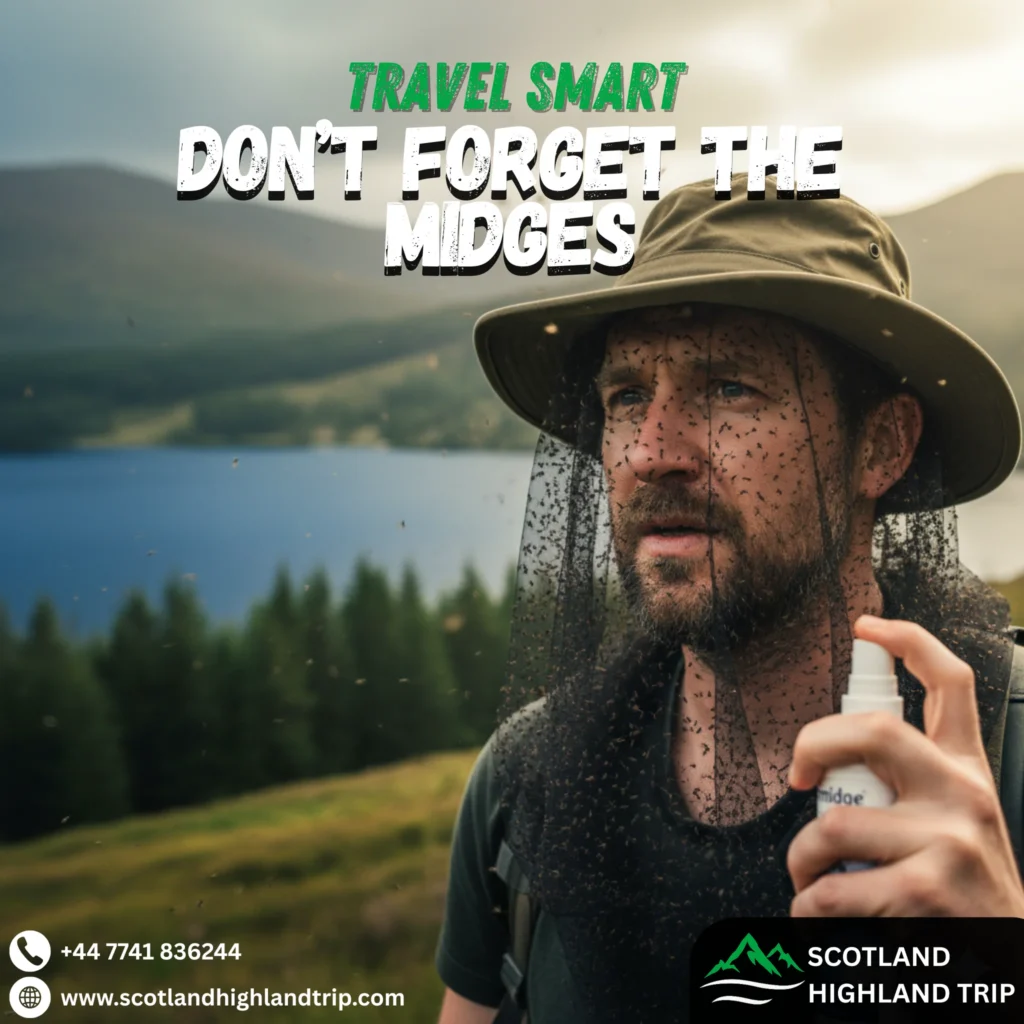
Highland midges, tiny biting flies, are prevalent from late May to September, particularly in still, damp conditions. Ticks are common in long grass and moorland. Bring an effective insect repellent, wear long sleeves and trousers for walking, and carry a tick removal tool. Visiting outside peak midge season (October–April) reduces the problem.
7. Relying Solely on Phones for Navigation
Mobile coverage is patchy in remote glens. Visitors sometimes find themselves lost when their GPS signal drops. Buy a physical Ordnance Survey map or download offline maps. Know how to read them, and charge your phone before setting off; carry a power bank.
8. Ignoring Passing‑Place Etiquette
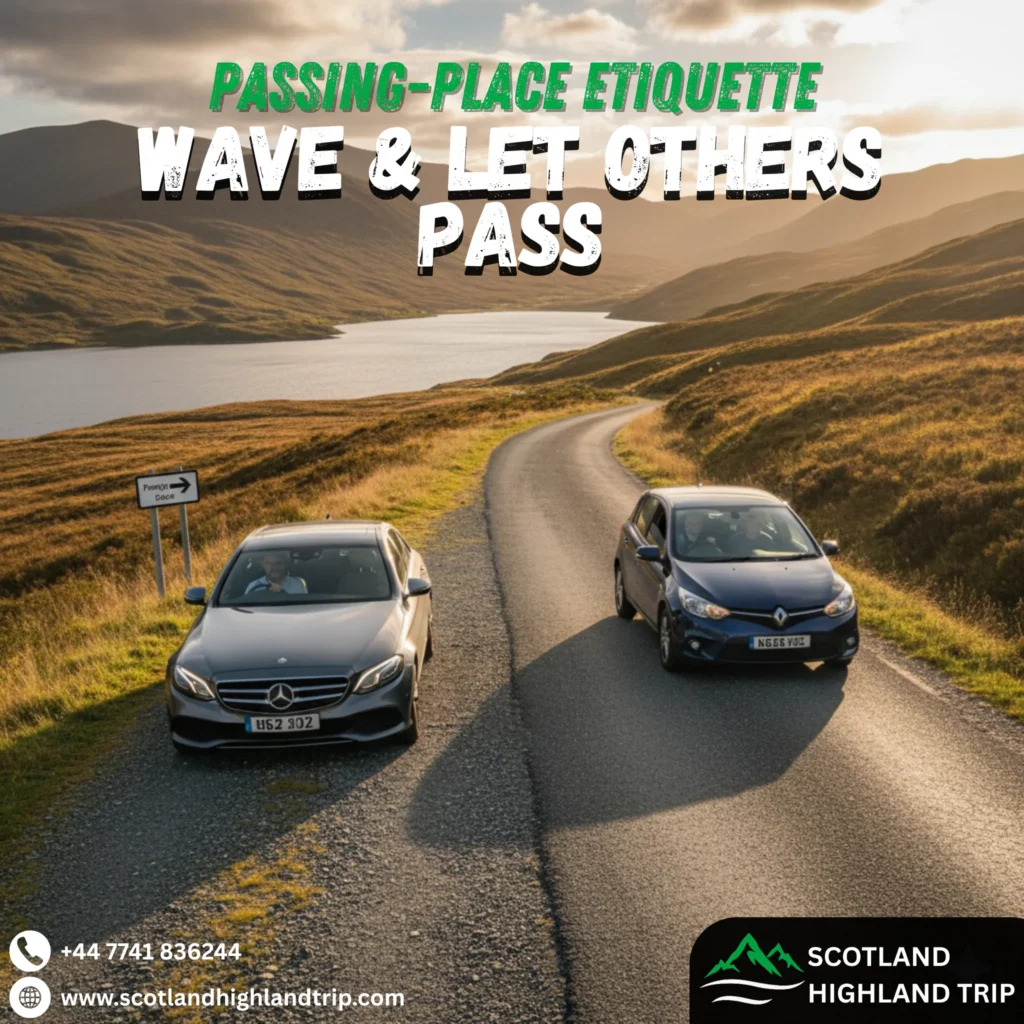
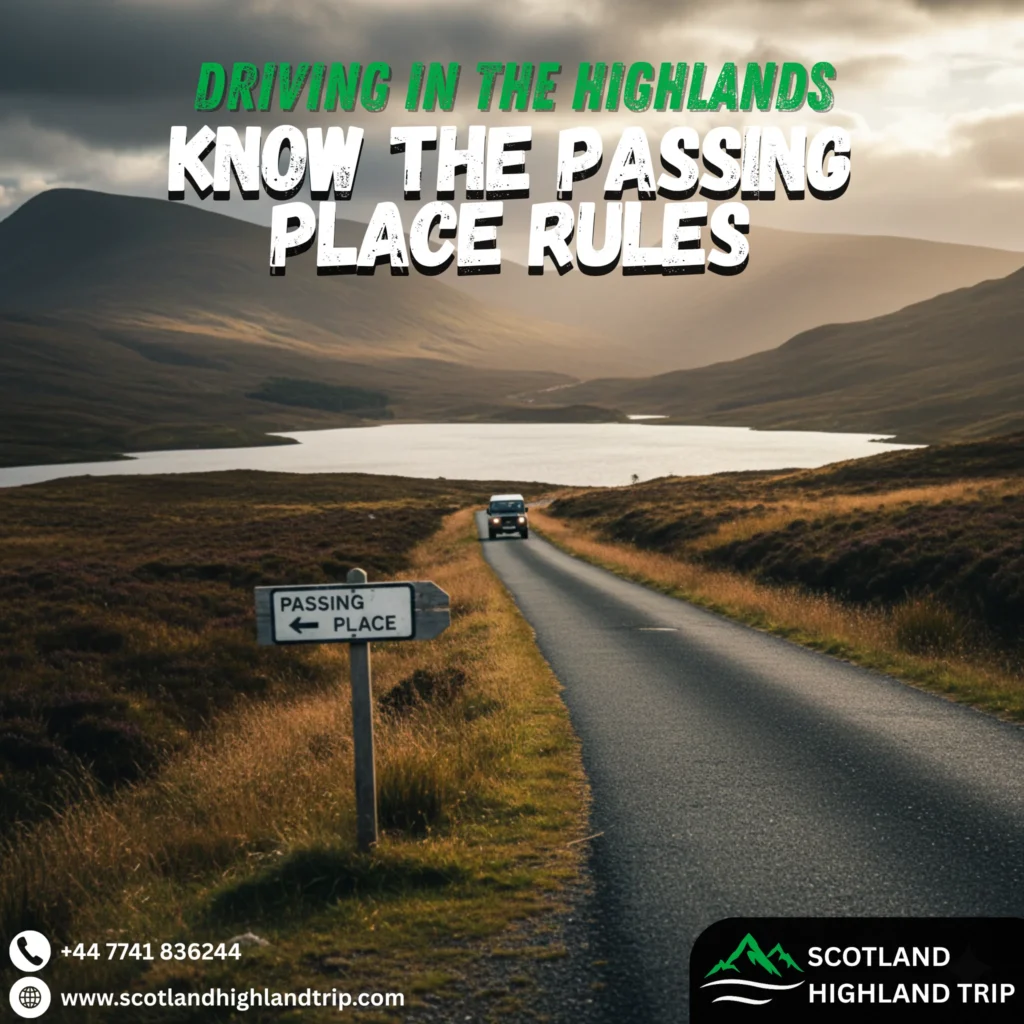
Many Highland roads are single‑track; vehicles pull into passing places to let oncoming traffic pass. Drivers unfamiliar with this custom can cause frustration and even accidents. On the road to Glen Affric, We advises drivers to pull over to the left at passing places and allow faster vehicles to overtake. Always acknowledge courtesy with a wave, don’t park in passing places, and avoid tailgating.
9. Under‑packing for Variable Weather
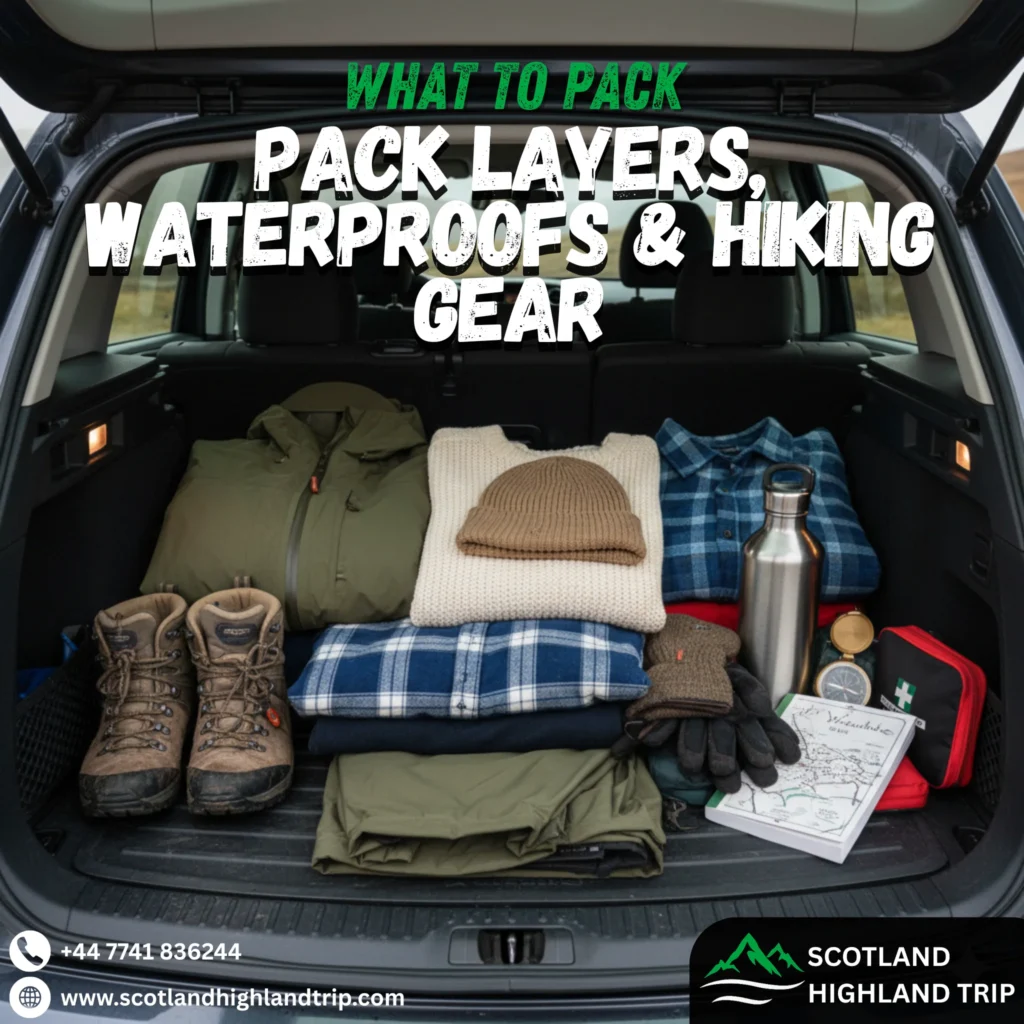
Summer in the Highlands isn’t guaranteed sun. Bring layers, including warm sweaters, waterproof jackets, hats and gloves. Even on warm days the wind can be biting on hilltops or boat trips. A spare pair of socks and sturdy waterproof boots will save your feet when paths become boggy.
What should I pack for a Highland road trip?
- Waterproof jacket and boots
- Power bank and offline maps
- Cash and small change
- Snacks and reusable water bottle
- Midge repellent and tick remover
- Layers for warmth and quick-dry clothing
10. Not Respecting Wild Camping Rules
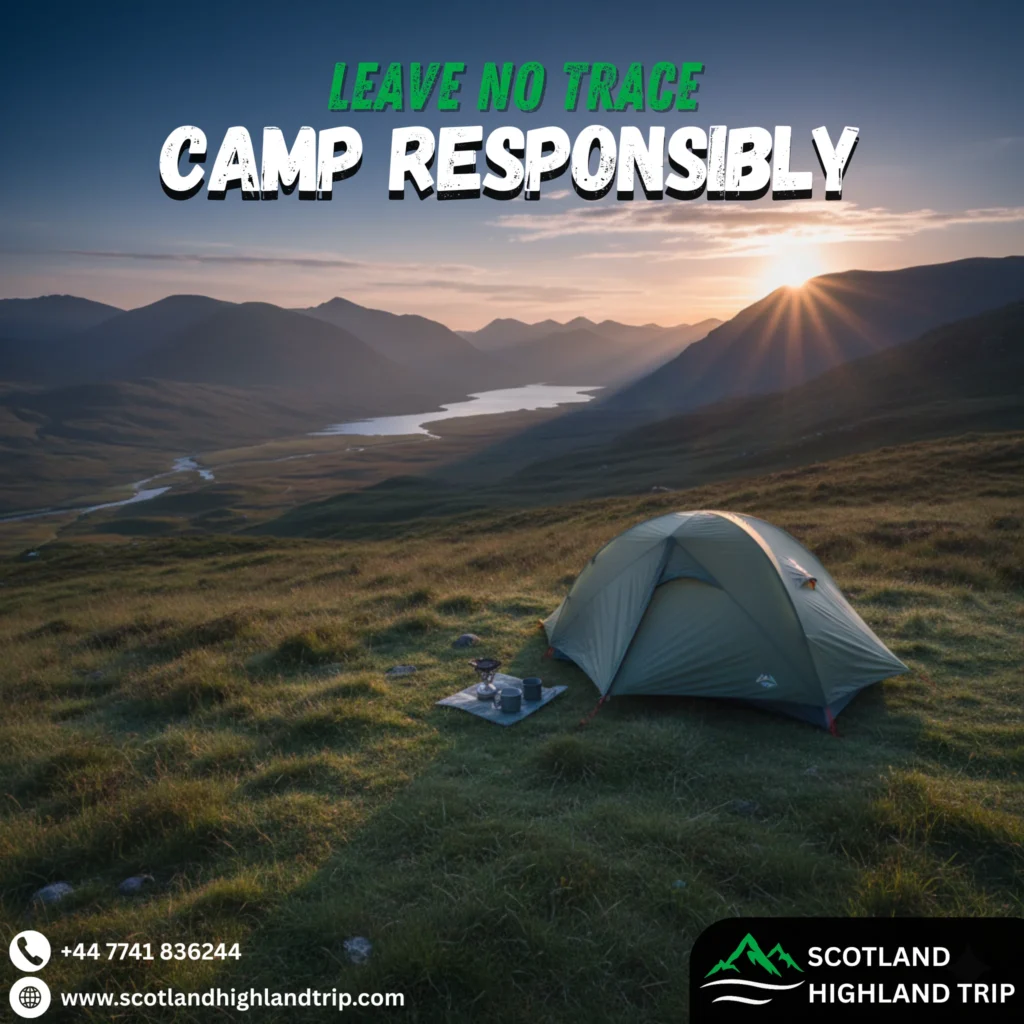
Scotland has generous access rights under the Land Reform Act, but wild campers must follow the Scottish Outdoor Access Code: camp out of sight of roads and houses, stay no more than two nights in one place, and leave no trace, take all litter away and remove evidence of any fires. Driving a motorhome onto private land or parking overnight in lay‑bys is not covered by access rights. Use designated camper‑van stops or official campsites instead.
11. Trespassing on Farms or Estates
Right to roam does not extend to enclosed farmland, private gardens or fields with crops. Walkers should follow marked paths, close gates and avoid disturbing livestock. If in doubt, ask the farmer for permission and always respect working land.
12. Photographing Without Permission
Locals are used to visitors but appreciate privacy. Always ask before photographing people, especially children or crofters working their land. Many Highland villages rely on tourism; mutual respect fosters goodwill.
13. Treating Locals as Tourist Attractions

Some travellers ask strangers to pose in kilts or assume everyone plays bagpipes. Remember that Highland communities are living places, not theme parks. Chat politely in shops and pubs, but don’t expect locals to perform for you. Learn a few Gaelic greetings, such as “Halò” (hello) and “Tapadh leat” (thank you), to show respect.
14. Mispronouncing Place Names Loudly
Scottish Gaelic and Scots dialects can be tricky. “Cairngorm” is pronounced “carn gorm”, “Eilean Donan” is “ellan doh‑nan”, and “Bealach na Bà” (a mountain pass in Applecross) is “bee‑al‑uch na ba”. Listen to locals and radio pronunciation guides rather than guessing loudly; mispronunciation can cause confusion when asking for directions.
15. Wearing Inappropriate Footwear
Sandals and trainers are ill‑suited to boggy paths, heather moorlands or rocky scrambles. Wear waterproof hiking boots with good ankle support, especially when exploring remote sites like the Quiraing on Skye or the summit trails in Cairngorms National Park.
16. Overlooking Safety on the Water
Lochs and coastal waters may look calm, but conditions can change suddenly. Wear life jackets when kayaking or paddle‑boarding, check tides, and never swim alone. Water is cold year‑round; cold shock can be fatal. Use licensed boat operators and avoid consumption of alcohol on the water.
17. Disrespecting Historic Sites
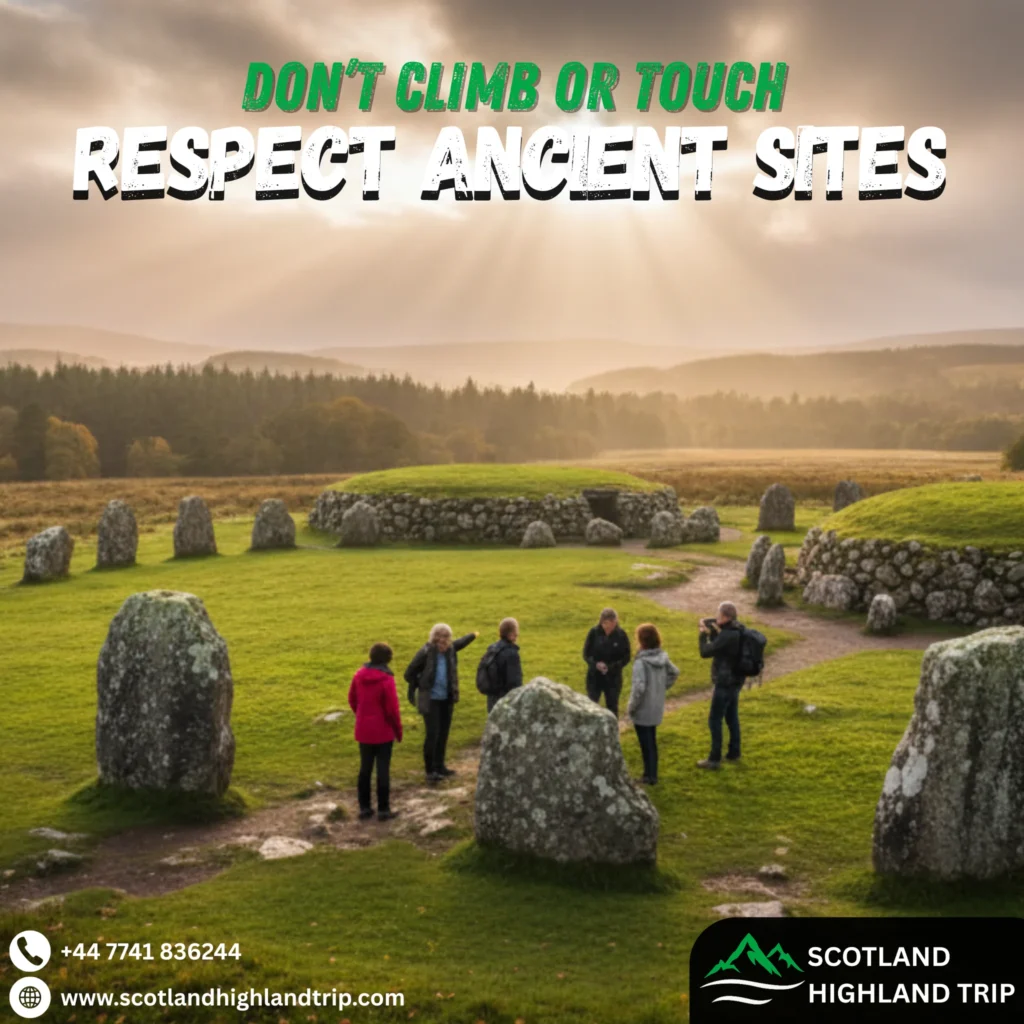
Ancient cairns, standing stones and castles are fragile. At Clava Cairns, a 4,000‑year‑old cemetery near Inverness, two areas are open to the public; visitors should stay on paths and avoid climbing on cairns. Similarly, at Urquhart Castle on Loch Ness, walls and earthworks are protected. Don’t carve names, steal stones or leave litter.
18. Touching Wildlife or Feeding Animals
Highland wildlife includes red deer, pine martens, dolphins and birds of prey. Feeding them human food alters natural behaviour and can be harmful. Keep a safe distance, never chase animals for photos, and follow guidance from rangers. Disturbing nesting birds on moorlands may be illegal.
19. Not Carrying Cash in Remote Areas
While cards are widely accepted in cities, rural pubs, tearooms and ferries sometimes operate on cash or have weak card machines. Keep some British currency and coins handy for car parks, toilets and small purchases.
20. Ignoring Ferries and Bridge Schedules
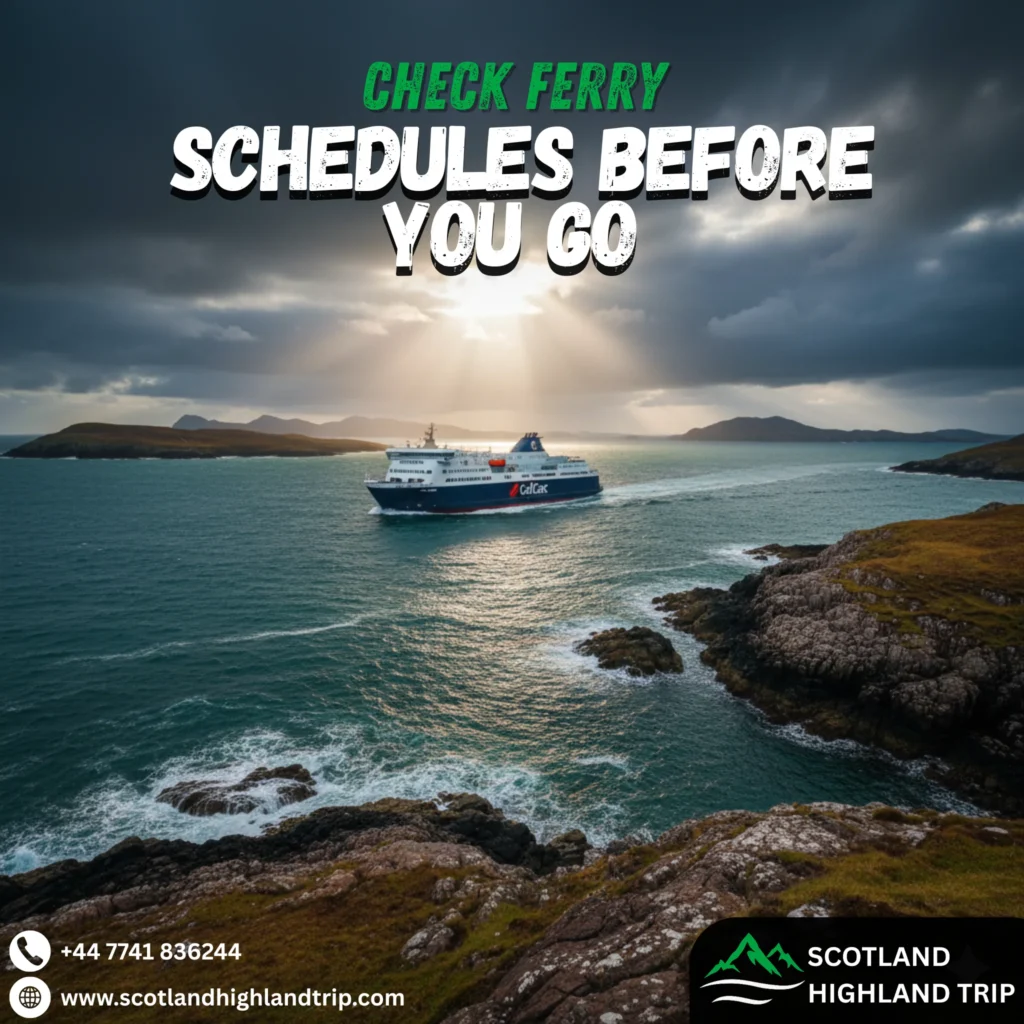
Island ferries and bridges (e.g., Skye Bridge maintenance closures) operate on fixed timetables. Booking is essential in peak season. Missing the last ferry could leave you stranded. Check Caledonian MacBrayne schedules ahead and factor in potential delays due to weather.
21. Wearing Club Colours to Football Pubs
Scottish football loyalties run deep. Wearing rival team jerseys in certain pubs can provoke hostility. Stick to neutral attire when visiting local bars and be respectful when discussing sports or politics.
22. Forgetting Sun Protection
Even on cool days, UV levels can be high, especially near water and snow. Bring sunscreen, a hat and sunglasses. On the north coast or on boat trips across Loch Ness, sunburn is a risk.
23. Failing to Pre‑book Accommodation
Hotels and B&Bs in popular towns like Portree, Fort William or Aviemore fill quickly in summer and during festivals. Book early or consider off‑season travel. Last‑minute bookings may leave you far from your intended route, adding hours of travel time.
24. Overlooking Local Food

The Highlands offer seafood, venison, cheese and artisan produce. Don’t stick to chain restaurants. Visit local markets, farm shops and pubs. Trying local dishes – such as Cullen skink (smoked haddock soup) or cranachan, supports communities and enriches your experience.
25. Expecting Constant Phone and Internet Access
Remote glens often have limited network coverage. Download offline maps and playlists, tell friends and family your route, and enjoy the digital detox. If you need connectivity, choose accommodations with Wi‑Fi. Many visitor centres, such as those at Culloden Battlefield, provide information exhibits so you can learn without relying on your phone.
Before You Go: Planning Tips for the Highlands
- Check travel seasons: Late spring (May–June) and early autumn (September–October) are best for mild weather, long daylight hours, and fewer midges.
- Book accommodation early: Remote areas have limited lodging; Portree, Fort William and Aviemore fill up quickly.
- Use Inverness as a base: It’s central, well-connected by road and rail, and allows day trips to Loch Ness, the Cairngorms and Skye.
- Consider guided tours: If you’re short on time or nervous about left-side driving, small-group day tours are convenient and environmentally efficient.
- Be weather-ready: Always carry waterproofs and spare layers, the Highlands can deliver four seasons in a single afternoon.
- Learn basic Gaelic or Scots phrases: Locals appreciate visitors making the effort, even with simple greetings like “Halò” (hello) or “Tapadh leat” (thank you).
Responsible Travel in the Highlands
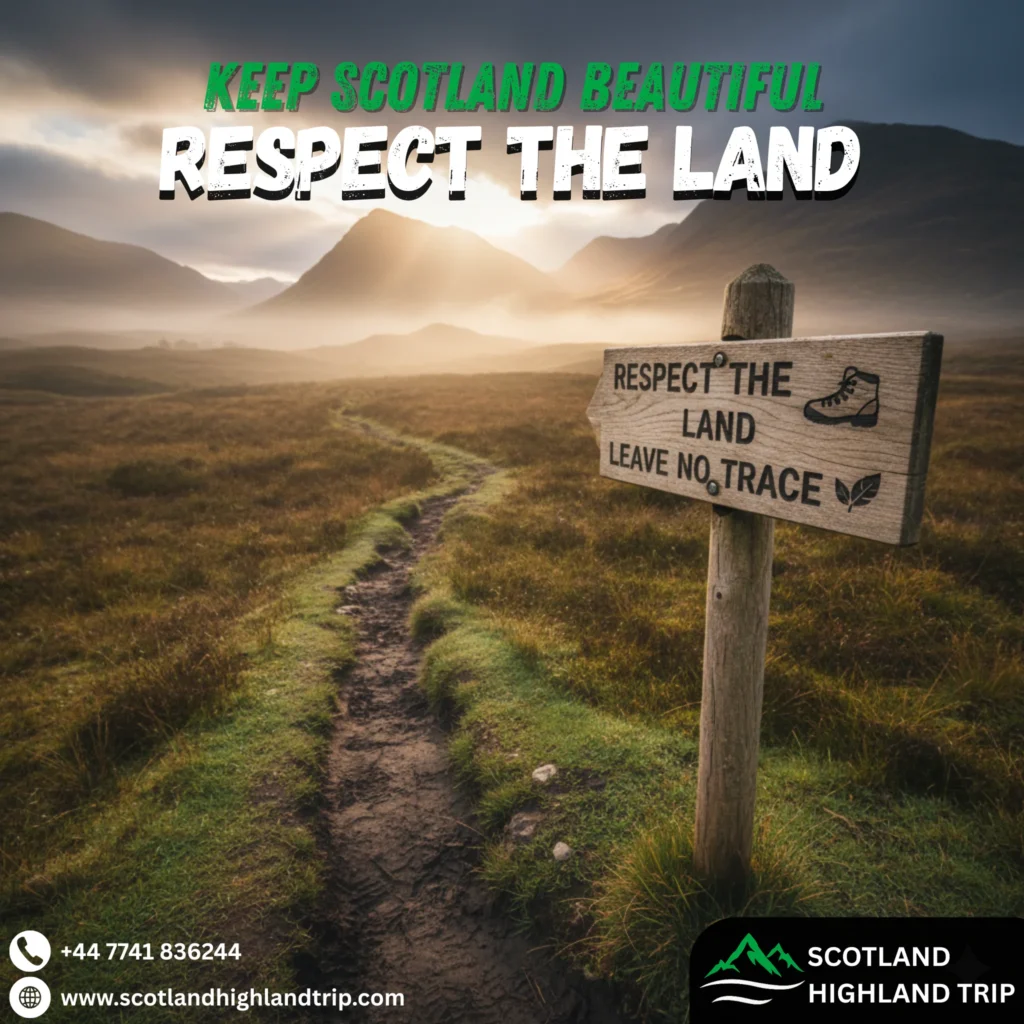
- Respect fragile ecosystems: Stay on marked trails and avoid trampling vegetation in bogs or dunes.
- Support local communities: Eat at family-run cafés, buy crafts directly from artisans, and tip guides fairly.
- Travel light and recycle: Many small towns have limited waste facilities, so carry reusable bottles and bags.
- Follow the Outdoor Access Code: Leave no trace, camp responsibly, and keep noise levels low in rural areas.
FAQs
Do I need a car to explore the Highlands?
Not always. Trains connect Inverness to Aviemore, Elgin, and Kyle of Lochalsh. Local buses serve Loch Ness, Fort Augustus, and Dornoch. For remote glens like Affric or Torridon, a car or guided tour is easiest.
When is the best time to visit the Scottish Highlands?
May to July offers the longest daylight, blooming wildflowers and open attractions. September and October bring autumn colours and fewer crowds. Winter is beautiful but remote areas may close or be snow-bound.
Can I see the Northern Lights in the Highlands?
Yes, occasionally. The best months are from October to March when skies are dark and solar activity is high. Head to the northern coast or isolated beaches for the clearest views.
Is it safe to hike alone?
Generally yes, but inform someone of your route and expected return time. Carry a physical map, extra food, and warm clothing. Always check the Mountain Weather Information Service (MWIS) before setting off.
How many days should I spend in the Highlands?
For a meaningful experience, spend at least 3–5 days. This allows a mix of scenic drives, castles, short hikes, and cultural stops. A week is ideal for combining Skye, Inverness, and the North Coast 500.
Final Thoughts
Exploring the Scottish Highlands is an unforgettable experience, especially when you’re prepared. Avoid these common mistakes by planning realistically, respecting local customs and landscapes, and adapting to the region’s wild nature. Take time to appreciate the history at battlefields like Culloden, the natural beauty of glens and mountains, and the hospitality of Highland communities. With thoughtful planning, your Highland adventure will be safe, enjoyable and memorable.

Emma is a solo traveler and freelance travel writer from New Zealand who spent three weeks exploring the Scottish Highlands. With a deep appreciation for history and landscapes, she booked a series of day tours and a private chauffeur journey with Scotland Highland Trip. From Loch Ness to the Cairngorms, she documented her experience through vivid blog posts and drone footage.