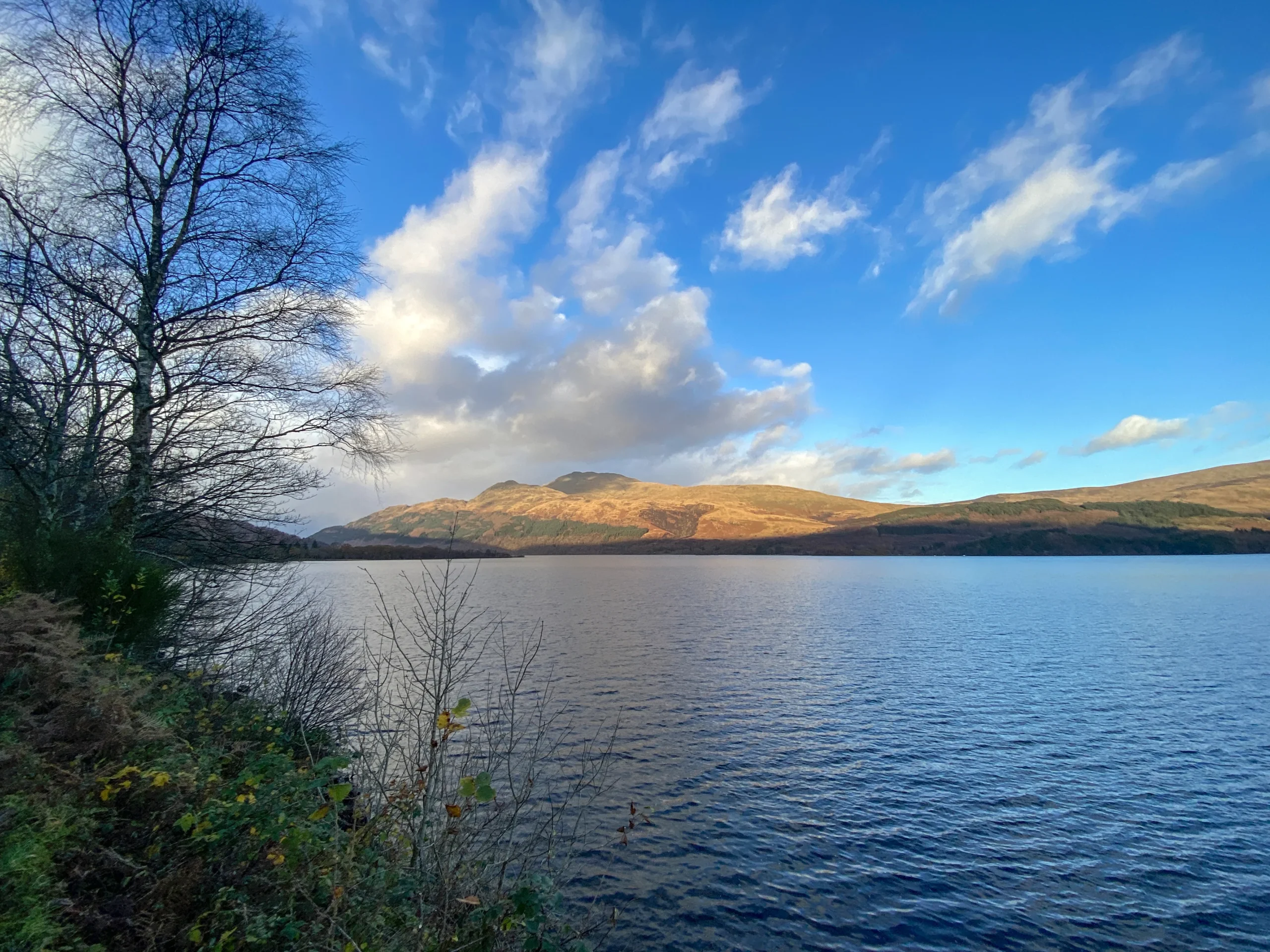

Stretching 96 miles (154 km) from Milngavie, a quiet suburb north of Glasgow, to the outdoor hub of Fort William, the West Highland Way is Scotland’s most famous long‑distance trail. The route threads together loch‑side paths, open moorland and mountain glens, passing landmarks such as Loch Lomond, the wild expanse of Rannoch Moor and the shadow of Ben Nevis. It was Scotland’s first long‑distance footpath, officially opened in 1980, and it remains the most popular today.
Thanks to the well‑waymarked trail, a wide range of accommodation and friendly camaraderie among hikers, this journey appeals to everyone from hardy thru‑hikers to families on a holiday challenge. In this guide you’ll find everything you need to know, distances and maps, itineraries, accommodation, costs, seasonal advice, packing lists, and answers to the most common questions to plan your own unforgettable adventure on the West Highland Way.
Table of Contents
Why Hike the West Highland Way?
The West Highland Way offers a uniquely Scottish combination of dramatic scenery and cultural heritage. As the trail heads north it crosses Loch Lomond & The Trossachs National Park, traverses the remote wilderness of Rannoch Moor, passes Glen Coe and finishes at Fort William under the shadow of Ben Nevis.
Along the way hikers walk through rolling farmland, ancient pinewoods, mountain passes and glacial valleys; spot red deer, Highland cows and soaring raptors; and share drams of whisky in cosy inns.
The journey is as much about people as it is about place, many hikers remark on the camaraderie of the trail community. Because the route is well waymarked and distances between settlements are manageable, it is accessible to first‑time long‑distance walkers, while the ever‑changing scenery keeps experienced trekkers enthralled.
West Highland Way Map and Route Overview
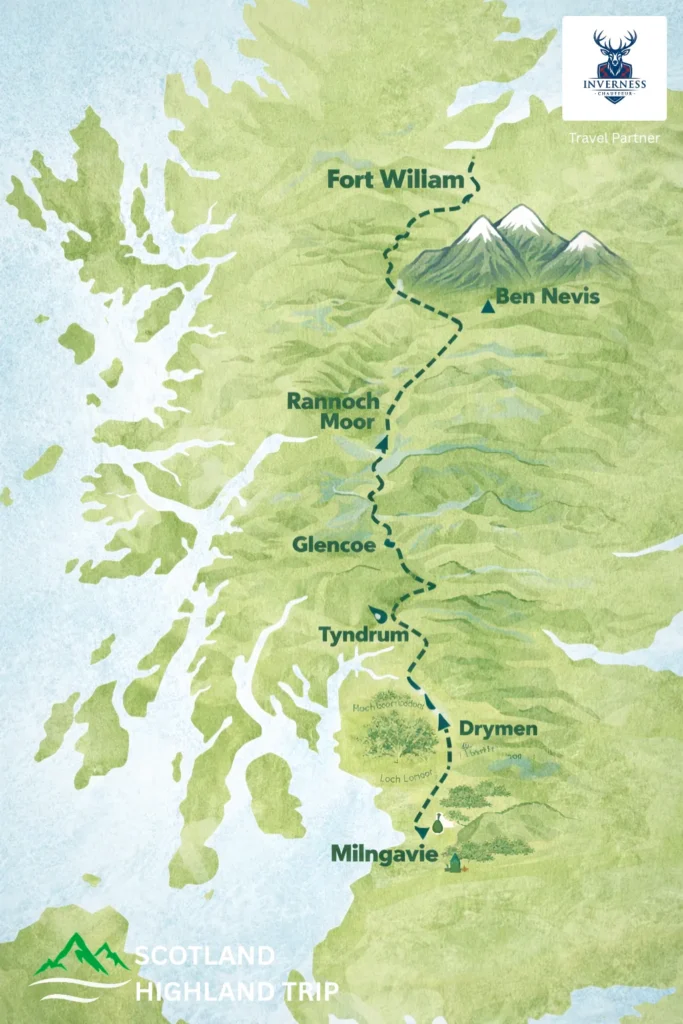
Route Length and Orientation
Officially the West Highland Way covers 96 miles (154 km) and involves around 3,155 m of ascent. It is normally walked south to north from Milngavie to Fort William because the prevailing winds blow from the south‑west and the southern sections are easier. Walking northwards also allows time for your legs to get used to long days before the more challenging terrain of Rannoch Moor and Glen Coe. The trail is linear, so you can’t shortcut the distance; instead, plan your stage lengths based on fitness and the availability of accommodation.
Stages and Distances
The Way is usually broken into eight sections, though some walkers shorten or lengthen the days. Distances below are taken from the official route page. Remember that these are approximate; actual mileage can vary slightly depending on where you stay in each village.
| Stage | Distance (miles / km) | Highlights |
| Milngavie → Drymen | 12 mi / 19 km | Gentle farmland, Mugdock Country Park, views of the Campsies |
| Drymen → Rowardennan | 15 mi / 24 km | Conic Hill ascent for panoramic views, wooded shores of Loch Lomond |
| Rowardennan → Inverarnan | 14 mi / 22.5 km | Rocky loch‑side path along the wild northern shore of Loch Lomond |
| Inverarnan → Tyndrum | 12 mi / 19.5 km | Falls of Falloch, Crianlarich forests and farmlands |
| Tyndrum → Inveroran | 9 mi / 14.5 km | Wide glen views, ancient drovers’ trails, Bridge of Orchy |
| Inveroran → Kingshouse | 10 mi / 16 km | Crossing Rannoch Moor with mountain panoramas |
| Kingshouse → Kinlochleven | 9 mi / 14.5 km | The Devil’s Staircase (highest point at 548 m), dramatic Glen Coe views |
| Kinlochleven → Fort William | 15 mi / 24 km | Lairig Mor pass, views of Ben Nevis and arrival in Fort William |
Itineraries
How many days should you allow? The West Highland Way can be completed in 5 to 9 days. Scotland’s Great Trails recommends at least 7 or 8 days for first‑time long‑distance walkers so you have time to enjoy side trips and avoid turning the walk into an endurance test. Faster hikers may compress the route into 5 days, but be prepared for two long days over 21 mi (34 km). Below are two example itineraries, one moderate and one challenging to help you plan:
7‑Day Moderate Itinerary
- Milngavie to Drymen (12 mi/19 km). Ease into the trail on flat terrain through Mugdock Park and farmland.
- Drymen to Rowardennan (15 mi/24 km). A big day over Conic Hill with sweeping views of Loch Lomond. Take time to visit Balmaha village on the loch’s edge.
- Rowardennan to Inverarnan (14 mi/22.5 km). A rugged day along the loch with rocky footing. Consider a boat detour to the island of Inchcailloch if time allows.
- Inverarnan to Tyndrum (12 mi/19.5 km). Rolling forest trails lead past the Falls of Falloch and through Crianlarich.
- Tyndrum to Kingshouse (19 mi/30 km). Combine the Tyndrum–Inveroran and Inveroran–Kingshouse stages for a long but exhilarating crossing of Rannoch Moor. Overnight at the historic Kingshouse Hotel or nearby campsite.
- Kingshouse to Kinlochleven (9 mi/14.5 km). Climb the Devil’s Staircase, the highest point of the walk (548 m), then descend to the picturesque village of Kinlochleven.
- Kinlochleven to Fort William (15 mi/24 km). A final traverse through Lairig Mor with views of Ben Nevis before descending into Fort William to celebrate your achievement.
5‑Day Challenge Itinerary
- Milngavie to Balmaha (20 mi/32 km). Combine stages one and part of stage two; expect a long day with the Conic Hill climb. Stay in Balmaha on Loch Lomond.
- Balmaha to Inverarnan (21 mi/34 km). Tackle the entire rocky loch‑side section in one go. This stretch is challenging and slow going due to roots and boulders.
- Inverarnan to Bridge of Orchy (19 mi/30 km). A steady day through Crianlarich and Tyndrum. Overnight near the Bridge of Orchy or Inveroran.
- Bridge of Orchy to Kinlochleven (21 mi/34 km). Cross Rannoch Moor and climb the Devil’s Staircase in one marathon day.
- Kinlochleven to Fort William (15 mi/24 km). Finish strong with views of Ben Nevis as you descend into Fort William.
Tip: If you’re a first‑timer, resist the temptation to compress days. Shorter stages allow you to enjoy side trips like Glengoyne Distillery, Inchcailloch island and the optional ascents of Ben Lomond or Ben Nevis.
Difficulty and Trail Conditions
Terrain and Elevation
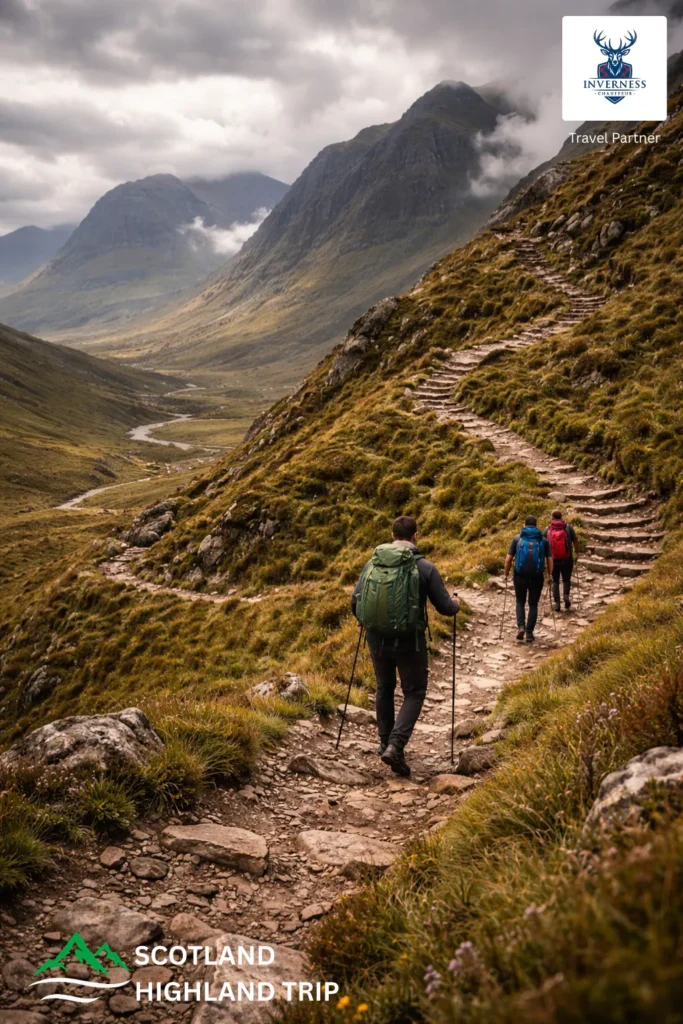
For most of its length the West Highland Way follows good, well‑maintained paths. Expect a mix of wide forest tracks, moorland and hillside paths, grassy fields and occasional boggy patches. After heavy rain, tree roots, stones and wet grass can be slippery, particularly on the descent from Conic Hill. The highest point, the Devil’s Staircase, reaches 548 m, more of a steady climb than a scramble and most climbs are followed by long descents into valleys.
Who Can Do It?
The route is suitable for walkers of all abilities; it can be completed in 5 to 9 days depending on your pace. Because the path is well waymarked and passes through villages every few miles, it’s a good choice for beginner long‑distance hikers as long as you prepare appropriately and allow enough time. That said, the trail includes exposed, remote sections, especially on Rannoch Moor and long days can be demanding. Even experienced walkers should check the weather forecast, carry proper rain gear and navigation aids, and know their limits.
Training and Preparation
The West Highland Way is not technically difficult, but it demands endurance. Build up to walking 15 to 20 miles (24 to 32 km) on consecutive days with a loaded backpack. Practice on hilly terrain to prepare for climbs like Conic Hill and the Devil’s Staircase. If you plan a 5‑day itinerary, schedule back‑to‑back long hikes before your trip.
Accommodation and Services
Where to Stay
Villages along the West Highland Way provide a range of accommodation: campsites, hostels, bunkhouses, B&Bs, inns and hotels. Scotland’s Great Trails notes that villages offer B&Bs, bunkhouses, pods and wigwams, though some close out of season, so booking ahead is essential. Wild camping is permitted under the Scottish Outdoor Access Code; one blogger notes that you can camp almost anywhere without fear of a ranger, though mixing campsites and wild camping is common.
Two bothies along the route offer free, basic shelter. Within Loch Lomond & The Trossachs National Park, camping is only allowed in designated zones between March and September, so obtain permits for those areas.
Accommodation Costs
Budgets vary widely. On average, campsites cost £8 to 15 per night, hostel beds £20 to 30 per night, B&B rooms £30 to 50 per person and private hotel rooms £80 to 150. Self‑catering cottages cost £100 to 200 per night. For a 7‑day trip, a budget hiker staying in campsites and hostels, self‑catering meals, and using baggage transfer can complete the walk for £350 to 500; a mid‑range walker using B&Bs and pubs might spend £600 to 900; and a comfortable package with hotels, luggage transfer and dining out could cost £1,000 to 1,500.
Luggage Transfer and Support Services
Carrying a heavy pack can sap your energy. Numerous companies provide baggage transfer services; they collect your bag each morning and deliver it to your next accommodation. Scotland’s Great Trails lists support services that can book accommodation and transport your luggage along the route. Expect to pay roughly £6t o 12 per bag per day, worth considering if you’re packing camping gear or want to lighten your load.
Food and Resupply
Most villages along the trail have pubs, cafés or small shops. A hiker budget can expect £5 to 15 for casual meals and £10 to 20 for pub dinners. Many walkers carry snacks and lunch items to avoid long detours. Resupply points include Drymen, Rowardennan (limited), Inverarnan, Tyndrum and Kinlochleven. Carry enough water between villages; streams in the Highlands are generally clean but treat or filter if unsure.
Best Time to Hike and Weather Considerations
Seasons and Daylight
Scotland’s weather is famously changeable. Most hikers tackle the West Highland Way between April and October, when daylight is longer and snow is less likely. Spring (April–May) brings fresh greenery and fewer crowds; mid‑May is often midge‑free, as one pair of hikers noted they weren’t bothered by mosquitoes during their mid‑May trek. Summer offers warm temperatures and long days but attracts more walkers and midges. Autumn (September–early October) can be spectacular with heather and golden birch, though daylight shortens.
Midges and Other Pests
Midges, tiny biting insects, are a notorious nuisance in the Highlands. They appear mainly from June to early September, with peak activity in June and July. They thrive in damp, still weather and are most active at dawn and dusk. Wear long sleeves, apply insect repellent, or carry a head net to avoid bites. Planning your longest walks during the middle of the day can help you avoid the worst of them.
Weather Hazards
Rain and wind can occur any time of year. The exposed Rannoch Moor demands respect in poor weather; carry waterproofs, warm layers and a map. In winter, snow and short daylight hours make the route challenging and many services close. Unless you are an experienced winter mountaineer, stick to the April–October window.
What to Pack: Gear and Clothing
Proper gear makes the difference between misery and magic on the West Highland Way. Essentials include:
- Sturdy waterproof boots with good grip and, ideally, a Vibram sole.
- Waterproof jacket and trousers, plus warm layers (fleece, down jacket) and quick‑drying base layers. Weather can change rapidly in Scotland.
- Backpack with rain cover; 40–50 L capacity is usually adequate.
- Sleeping bag and tent if camping; B&B walkers can use smaller daypacks.
- Insect repellent and head net to combat midges.
- Navigation tools, OS map or GPS (even though the route is well waymarked, it’s wise to carry a map or download GPX tracks). A blogger noted that signage was excellent and a map wasn’t really necessary but fun to follow.
- Headlamp (particularly in spring or autumn when daylight shortens).
- Water bottles or bladder; aim to carry at least 1.5 litres. A filter or purification tablets add security.
- Trekking poles; they assist on rocky descents and save your knees.
- Emergency kit with blister treatment, first aid and a whistle.
Pro Tip: Pack light, leave non‑essentials at home. One hiker ditched extra magazines after suffering a gigantic blister on day one. Carry only what you need for comfort and safety.
Getting There and Transport Logistics
Starting in Milngavie
Milngavie (pronounced Mill‑guy) sits on the suburban rail line north of Glasgow. Trains run frequently from Glasgow Queen Street station (around 25 minutes), and buses serve the town. In the centre of Milngavie a granite obelisk marks the official start of the West Highland Way. Pick up last‑minute supplies in the local shops or cafés before setting off.
Finishing in Fort William
The trail ends on Fort William’s High Street beside the “sore feet” statue. Fort William is well connected by train and bus to Glasgow (about 4 hours by train). There are also buses to Inverness and on to the Isle of Skye. Allow time at the end to climb Ben Nevis or explore nearby Glen Nevis.
Breaking the Route
Railway stations at Crianlarich, Tyndrum and Bridge of Orchy provide options to exit the trail if needed. Limited bus services run between some villages, but schedules are infrequent; taxis can be arranged in larger settlements like Crianlarich or Kinlochleven. Plan ahead if you need transport on rest days.
Self‑Guided vs Organised Packages
Many hikers walk the West Highland Way independently: they book accommodation themselves, carry or transfer luggage and enjoy the freedom to set their own pace. Others prefer to book self‑guided or guided packages, which include accommodation, daily baggage transfer and sometimes meals. These packages remove logistical stress but cost more (from around £600 per person for a week with mid‑range lodging) and limit spontaneity. If you have limited time, want every detail arranged or plan to walk with family, a package can be ideal. Independent travellers enjoy greater flexibility and the satisfaction of organising their own adventure.
7‑Day West Highland Way Itinerary with Accommodation Suggestions
Below is a more detailed 7‑day schedule with suggested overnight stops and accommodation types (camping, hostel, B&B or hotel). Adjust distances to suit your pace.
| Day | Route and Distance | Suggested Overnight | Notes |
| 1 | Milngavie → Drymen (12 mi/19 km) | Drymen (options include campsites, bunkhouse or small B&Bs) | Easy walking through farmland and woodland. Visit Glengoyne Distillery for a whisky tasting if time allows. |
| 2 | Drymen → Rowardennan (15 mi/24 km) | Rowardennan (youth hostel, campsite or B&B) | Climb Conic Hill for panoramic views of Loch Lomond; descend through Balmaha village where you can resupply. |
| 3 | Rowardennan → Inverarnan (14 mi/22.5 km) | Inverarnan (hotel or campsite) | Rocky loch‑side path; take care on roots and boulders. Enjoy a hearty meal at the Drovers Inn. |
| 4 | Inverarnan → Tyndrum (12 mi/19.5 km) | Tyndrum (campsite, hostel or hotel) | Forest and farmland walking with views of Ben More; resupply at Tyndrum’s shops. |
| 5 | Tyndrum → Kingshouse (19 mi/30 km) | Kingshouse (hotel or free wild camping nearby) | Cross Rannoch Moor with its haunting beauty; there are no services along the moor so carry food and water. |
| 6 | Kingshouse → Kinlochleven (9 mi/14.5 km) | Kinlochleven (campsite, bunkhouse or B&B) | Climb the Devil’s Staircase then descend steeply; treat yourself to fish and chips or visit the Ice Factor climbing centre. |
| 7 | Kinlochleven → Fort William (15 mi/24 km) | Fort William (hotels and hostels abound) | Walk through Lairig Mor, then follow forestry tracks towards Ben Nevis; finish at the “sore feet” statue on Fort William’s High Street. |
Pro Tips for a Successful Hike
- Start early each day to make the most of daylight, avoid midges (most active at dawn and dusk) and secure a good pitch at campsites.
- Pace yourself especially on the rocky Loch Lomond section and the long Rannoch Moor crossing. Take breaks to savour the scenery.
- Use a luggage transfer service if you’re new to long‑distance walking. Lightening your pack can be worth the modest fee.
- Respect the environment. Follow the Scottish Outdoor Access Code when wild camping and leave no trace.
- Plan for rest days. Some walkers schedule an extra night in Tyndrum or Kinlochleven to break up the trek and explore nearby attractions.
Ready to take the first step on Scotland’s legendary trail? Whether you’re planning a self‑guided adventure or want a tailored package with baggage transfer and cosy accommodation, our team of Scottish hiking specialists can help you design the perfect West Highland Way experience. Contact us today to start planning your journey through lochs, moors and mountains and create memories that will last a lifetime.
Frequently Asked Questions (FAQs)
Below are common concerns about the West Highland Way.
How long does it take to walk the West Highland Way?
The West Highland Way is about 96 miles (154 km) long. Most people complete it in 5–9 days. First‑time long‑distance walkers should allow 7 or 8 days so they can enjoy the scenery and avoid turning the trek into an endurance test.
Can a beginner do the West Highland Way?
Yes, beginners regularly complete the West Highland Way. The trail is well waymarked and there are villages every few miles, making it ideal for those new to long‑distance walking. However, beginners should train in advance, break the walk into shorter stages, and allow at least 7 days to avoid excessively long mileage.
Why is the West Highland Way famous?
The West Highland Way was Scotland’s first long‑distance trail, officially opened in 1980, and remains its most popular. It traverses stunning landscapes from Loch Lomond and Rannoch Moor to Glen Coe and the foothills of Ben Nevis and offers hikers a rich mix of nature, history and Highland culture. Its accessible waymarking and welcoming trail community also contribute to its fame.
How much does it cost to walk the West Highland Way?
Costs depend on your accommodation style and whether you use baggage transfer. A budget hiker camping or staying in hostels and self‑catering might spend £350 to 500 for a week, while mid‑range walkers in B&Bs and pubs spend around £600 to 900. Luxury walkers using hotels, full luggage transfer and dining out can spend £1,000 to 1,500. Don’t forget to budget for transport to/from the start and end, meals (typically £10 to 20 for pub dinners) and any side excursions.
When to avoid the Highlands?
The Highlands are beautiful year‑round, but midges and weather can influence when you hike. Midges are most numerous from June to early September, with peak activity in July. Plan hikes in April, May or late September to avoid the worst. Winter brings snow, ice and limited daylight, making conditions hazardous unless you have winter mountaineering experience. Rannoch Moor is particularly exposed in poor weather.
Is the West Highland Way a difficult walk?
Difficulty is relative. The West Highland Way is considered moderate: there are good paths and only one significant climb (the Devil’s Staircase at 548 m). However, long daily distances, remote sections and changeable weather require fitness and preparation. Novices should allow more days and train for back‑to‑back 15–20 mile walks. With proper planning, most reasonably fit hikers will find the West Highland Way challenging but achievable.

Emma is a solo traveler and freelance travel writer from New Zealand who spent three weeks exploring the Scottish Highlands. With a deep appreciation for history and landscapes, she booked a series of day tours and a private chauffeur journey with Scotland Highland Trip. From Loch Ness to the Cairngorms, she documented her experience through vivid blog posts and drone footage.